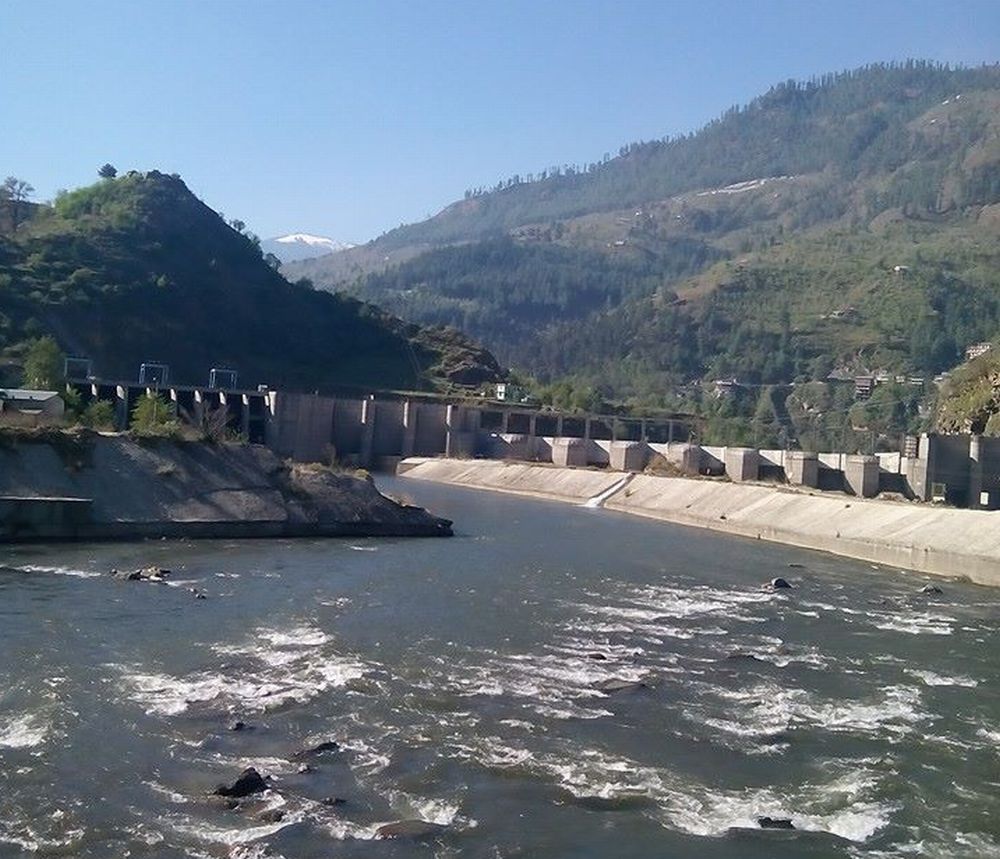
Shimla: The Himachal Pradesh government has signed implementation agreements for 19 hydropower projects with a combined generation capacity of 278 MW, attracting an estimated investment of Rs 3,336 crore. At the same time, the state has cancelled the allotment of 15 projects where developers failed to make adequate progress, and plans to invite international bids for their speedy execution.
The projects covered under the agreements include Soyal Dashal (9 MW), Khauli-II (6 MW), Gramang (9 MW), Umli (10 MW), Bharmour Stage-I (24 MW), Bharmour Stage-II (21 MW), Harsar Stage-II (22.5 MW), Harsar Stage-III (19 MW), Tundah Stage-II (24 MW), Janglik (18 MW), Rupin Stage-II (15 MW), Dunali-I and II (17 MW), Jari (12 MW), Toral Kundli (18 MW), Tundan (15 MW), Kot Dogri (10 MW), Upper Kurmi (8 MW), Kalal Khol (11 MW) and Melan (9.6 MW).
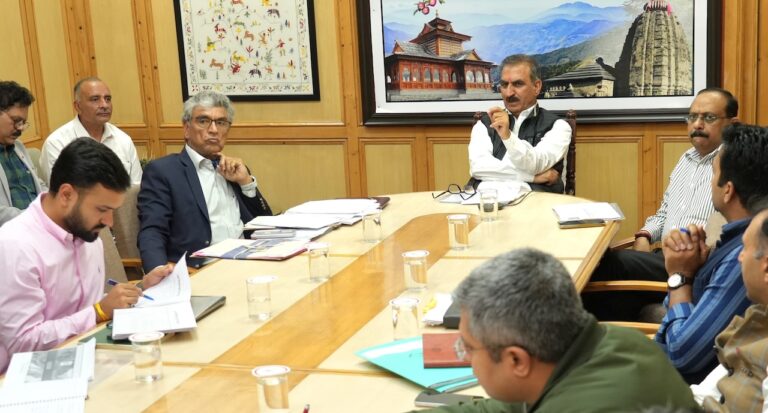
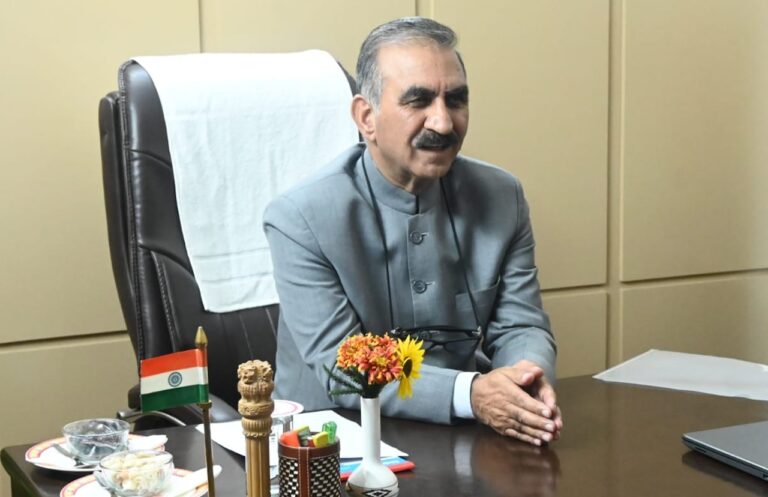
Chief Minister Sukhvinder Singh Sukhu congratulated officers and employees of the Energy Department for the achievement and said the present state government was committed to harnessing the vast hydropower potential of Himachal Pradesh.
He said the government has amended the state’s power policy to encourage investments and revised royalty rates for hydropower projects up to 25 MW capacity. Under the revised provisions, a uniform royalty rate of 12 per cent has been fixed for a period of 40 years.
The Chief Minister also said that construction of the 150 MW Tidong Stage-I Hydroelectric Project has been completed. In another step towards diversifying renewable energy sources, the state government has signed an agreement with Geo Tropi India Private Limited for the exploration and development of geothermal power projects.
Himachal Pradesh has an estimated hydropower potential of around 24,000 MW. Of this, 189 projects with a combined capacity of 12,588 MW have already been commissioned. Another 54 projects with a total capacity of 1,528 MW are currently under construction, while 526 projects with a combined capacity of 7,539 MW are at various stages of approval.
The fresh agreements and the decision to withdraw non-performing allotments are part of the government’s efforts to accelerate development in the energy sector and improve utilization of the state’s water resources.