

The Himachal Pradesh Cabinet has decided to cancel 15 hydroelectric projects that failed to be commissioned despite being given relief under the state government’s one-time amnesty scheme aimed at reviving long-pending projects.
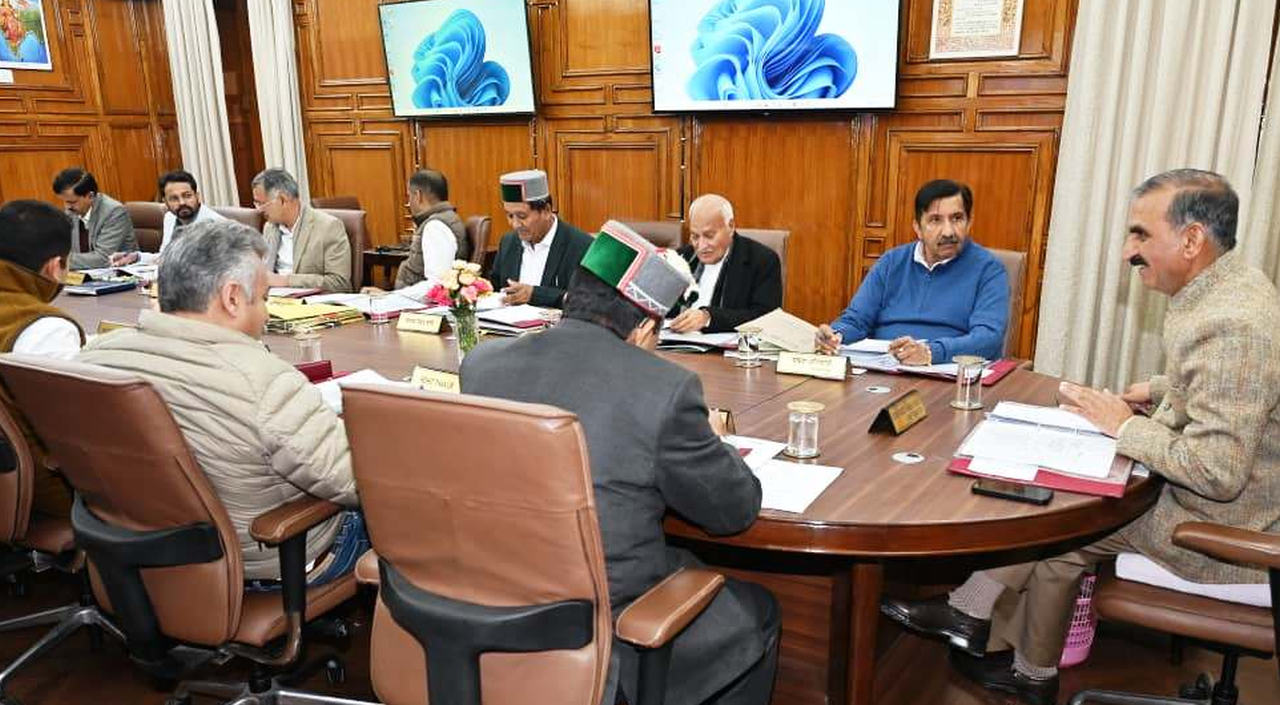
The decision was taken in a Cabinet meeting chaired by Chief Minister Sukhvinder Singh Sukhu. Officials said the projects were cancelled after developers failed to begin construction or complete formalities, even after the government provided an opportunity to regularise delays and move forward under the amnesty policy.
Over the years, several small and medium hydropower projects in Himachal Pradesh were allotted to private developers, but many remained stalled due to financial problems, environmental clearances, land acquisition hurdles and lack of infrastructure. In many cases, projects remained on paper for years, blocking valuable hydropower sites without contributing to electricity generation or state revenue.
To address the issue, the state government had introduced a one-time amnesty scheme allowing developers to revive delayed projects by clearing pending dues and committing to revised timelines. The scheme was intended to help complete long-pending projects and unlock the hydropower potential of the state. However, officials said a number of developers failed to utilise the opportunity even after the relaxation.
In another decision related to the hydropower sector, the Cabinet approved the allotment of the 10 MW Small Hydro Electric Project at Pandoh to the Bhakra Beas Management Board. The allotment will be subject to the return of unused land by the board to the state government.
Under the arrangement, the state government will receive 13 percent free power along with an additional 5 percent power as its share from the project once it becomes operational.
Himachal Pradesh is considered one of the leading hydropower states in the country with an estimated generation potential of more than 23,000 MW. However, only a portion of this potential has been developed so far. Delays in project execution, regulatory hurdles and disputes with developers have often slowed the pace of hydropower development in the state.
The cancellation of non-performing projects would help the government free up hydropower sites for reallocation to serious developers or public sector agencies, ensuring better utilisation of the state’s river resources and strengthening electricity generation in the future.