

The results of sustained wildlife conservation efforts in Himachal Pradesh are now evident, with official data showing a remarkable increase in the population of leopards and Asiatic black bears. At the same time, the snow leopard population has remained steady in the higher Himalayan regions, which experts consider a positive sign of stability.
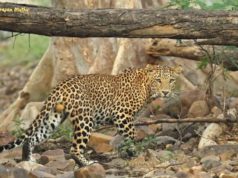
According to the Wildlife Department, the leopard population has witnessed a dramatic rise. From an estimated 400–450 in 2019–20, their numbers grew to 511 in 2024 and have now more than doubled to 1,114 in the 2025 report. This means that on average, two leopards are present in every 100 square kilometers of the state.
The population of Asiatic black bears has also surged significantly. Their numbers, recorded between 450–480 in 2019–20, climbed to 529 in 2024 and reached 835 in 2025. Wildlife officials attribute these increases to stricter protection measures, better monitoring, and awareness programs in rural areas.
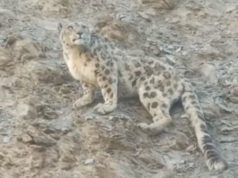
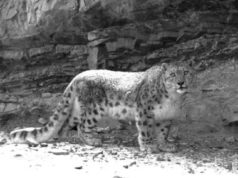
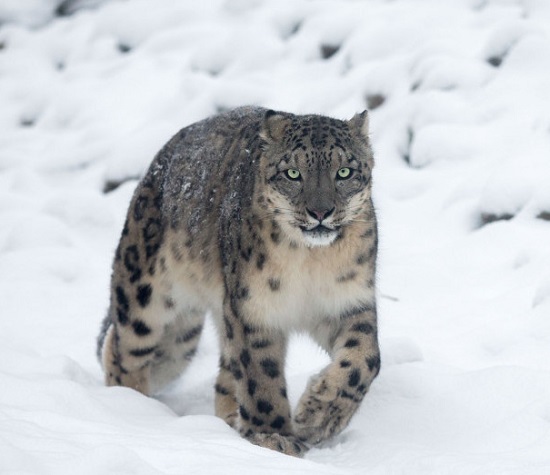
Meanwhile, Himachal’s snow leopards—an elusive species confined to the rugged heights of Lahaul-Spiti and Kinnaur—have shown stability. Based on camera trap studies and the Snow Leopard Population Assessment in India report, their numbers are estimated between 44 and 51, with some studies suggesting up to 73. Experts believe this stability indicates a balanced ecosystem in the high-altitude regions.
However, the rising numbers of leopards and bears have also brought new challenges. Recent studies show that over 30 percent of the state’s human-wildlife conflict cases involve leopards, while nearly 19 percent are linked to bears. Leopards frequently attack sheep and goats, and bears often enter orchards and villages in search of food.
Experts emphasise that the next step must focus on coexistence. Strengthening awareness campaigns, ensuring safe waste management, expanding monitoring in conflict-prone areas, and making the compensation policy more effective are being considered essential measures.