

Recognising that access to clean water is crucial for public health and environmental sustainability, Secretary, Jal Shakti, Dr. Abhishek Jain, reviewed preventive measures to protect water resources across Himachal Pradesh. He held a detailed meeting with senior officers of the Jal Shakti Vibhag, focusing on safeguarding drinking water supply schemes and strengthening monitoring of Sewerage Treatment Plants to ensure long-term water security.
During the meeting, it was informed that tap water connections have been provided to every household in 17,632 villages in rural areas. To maintain water quality, the department is operating 72 testing laboratories across the state, including 14 district-level labs, 57 sub-division-level labs and one state-level laboratory that conducts comprehensive testing of samples collected directly from households.
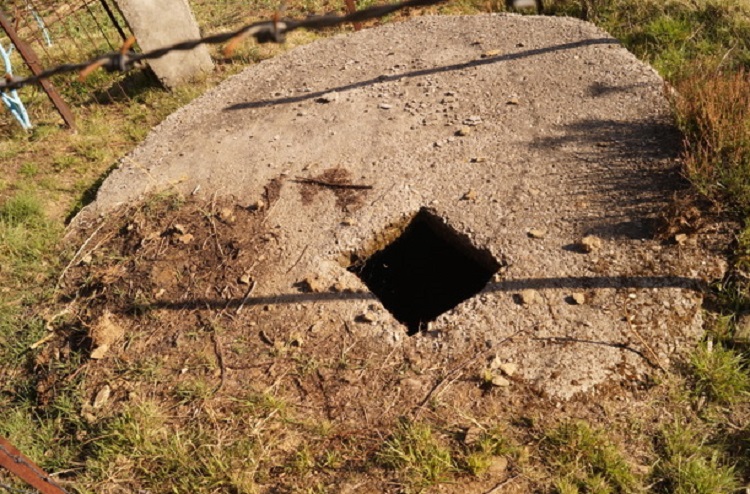
Dr. Jain directed all field officers, from Executive Engineers to Junior Engineers, to mandatorily inspect all water sources, including storage tanks, at least once every ten days. He instructed that these inspections must be properly documented and regularly reported to his office. He also stressed the active involvement of Village Water Sanitation Committees in inspecting surface water sources such as khuds, nallahs and streams, along with spring-based sources.
The Secretary further ordered the activation of Block Resource Persons and field staff to regularly test water quality using Field Test Kits already provided to them. He said that cleaning and corrective measures at water sources must be completed within 15 days wherever issues are detected.
Appealing for public participation, Dr. Jain urged residents to voluntarily take part in protecting water sources. He said that people are free to submit water samples directly to laboratories if they are not satisfied with the sample collection process. He underlined the need for strict waste management, modern infrastructure and continuous community awareness to prevent contamination.
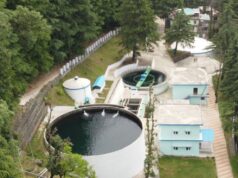
He also directed officials to regularly collect samples from water treatment plants to ensure efficient functioning. In addition, inspections of Sewerage Treatment Plants are to be carried out routinely and uploaded on the designated portal for real-time monitoring and data consolidation at the departmental level.
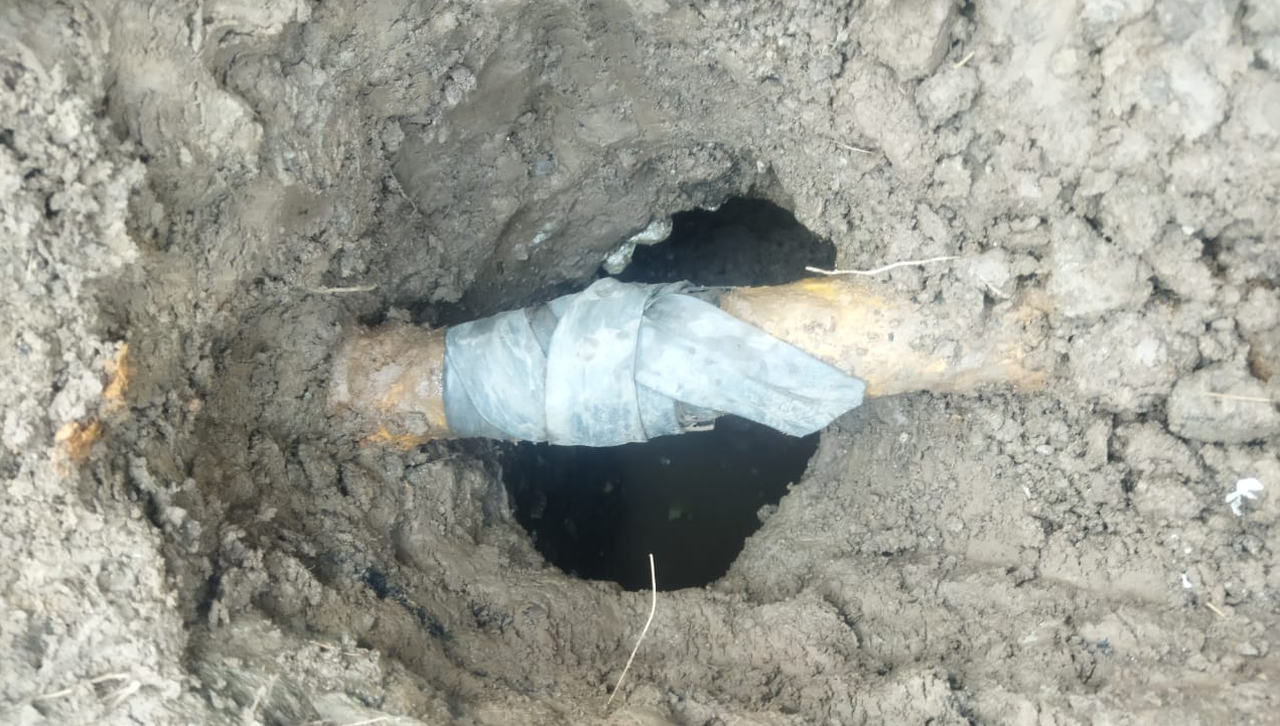
Highlighting the importance of source protection, Dr. Jain said preventing contamination at the source is far more cost-effective than large-scale purification and is the only sustainable way to protect the ecosystem. He took serious note of water pipe leakages and issued strict instructions to plug them immediately, warning that negligence would invite action. He added that Deputy Chief Minister Mukesh Agnihotri is also monitoring water cleanliness issues.
Engineer-in-Chief, Jal Shakti Vibhag, Anju Sharma informed that up to December, 2,16,382 water samples were tested in departmental laboratories, out of which only five were found unsuitable and were addressed immediately. She said that 1,71,250 samples have been tested using Field Test Kits, water from 21,392 drinking water sources, and 15,611 villages have been examined, and 18,784 sanitary surveys have been conducted in rural areas through Block Resource Coordinators, field teams and Village Water Sanitation Committees, reflecting the department’s sustained efforts to ensure safe and reliable drinking water for all.