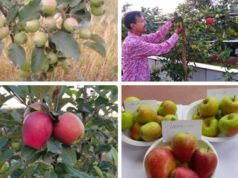


Apple growers in Himachal Pradesh have been advised to stay alert after the appearance of small red dots on the bark of apple trees, which experts have identified as the overwintering eggs of the European Red Mite (ERM). The Horticulture Department has cautioned growers not to ignore these signs, warning that timely action is crucial to prevent serious damage in the coming season.
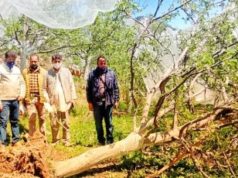
The department issued this advisory as apple orchards across the state continue to face a rise in disease outbreaks. Last year, growers struggled with severe leaf fall and widespread mite attacks, and the situation worsened due to hailstorms and prolonged rainfall. With winter being the main season for orchard maintenance, officials have urged growers to pay closer attention to their trees now.
According to the advisory, the tiny red dots often seen on the bark can be mistakenly identified as fungus or dirt. However, these are actually ERM eggs that hatch during March and April. Once active, the mites multiply rapidly and can cause significant damage to both the leaves and the fruit.
Growers have been asked to examine the cracks, buds, and crevices of tree bark carefully. The department has suggested the use of magnifying glasses or mini-microscopes to inspect the trees more accurately. If the red dots match the description, orchardists can clean the affected areas and apply lime and copper sulfate paint to the tree trunks as part of preventive care.
European Red Mites pose a major threat to orchards because they suck sap from leaves, causing them to turn brown or bronze. This affects fruit size and overall yield, and prolonged infestation can weaken the entire tree.
The department has advised apple growers to take early action and remain vigilant through the winter months, stressing that preventive steps taken now can help avoid substantial losses in the upcoming season.