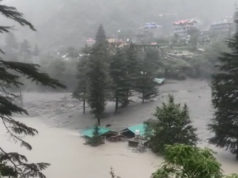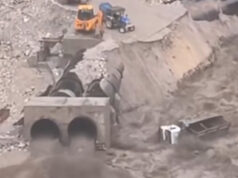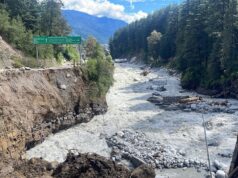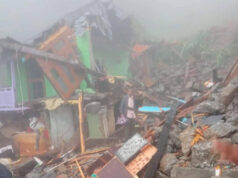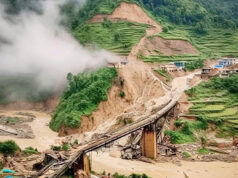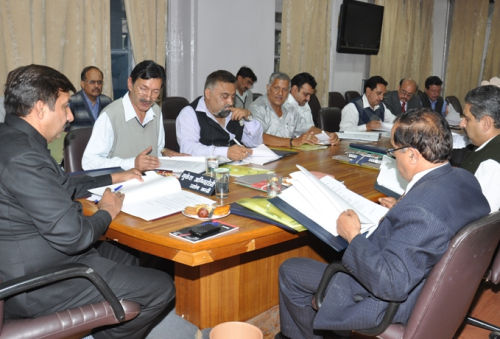


In the wake of the devastating floods and landslides that struck Himachal Pradesh in 2023 and again in 2025, the state government has moved to streamline muck management by identifying designated dumping sites. Chief Secretary Prabodh Saxena has directed authorities to prioritise districts worst affected by recent natural disasters, including Mandi, Kullu, Chamba, and Shimla.
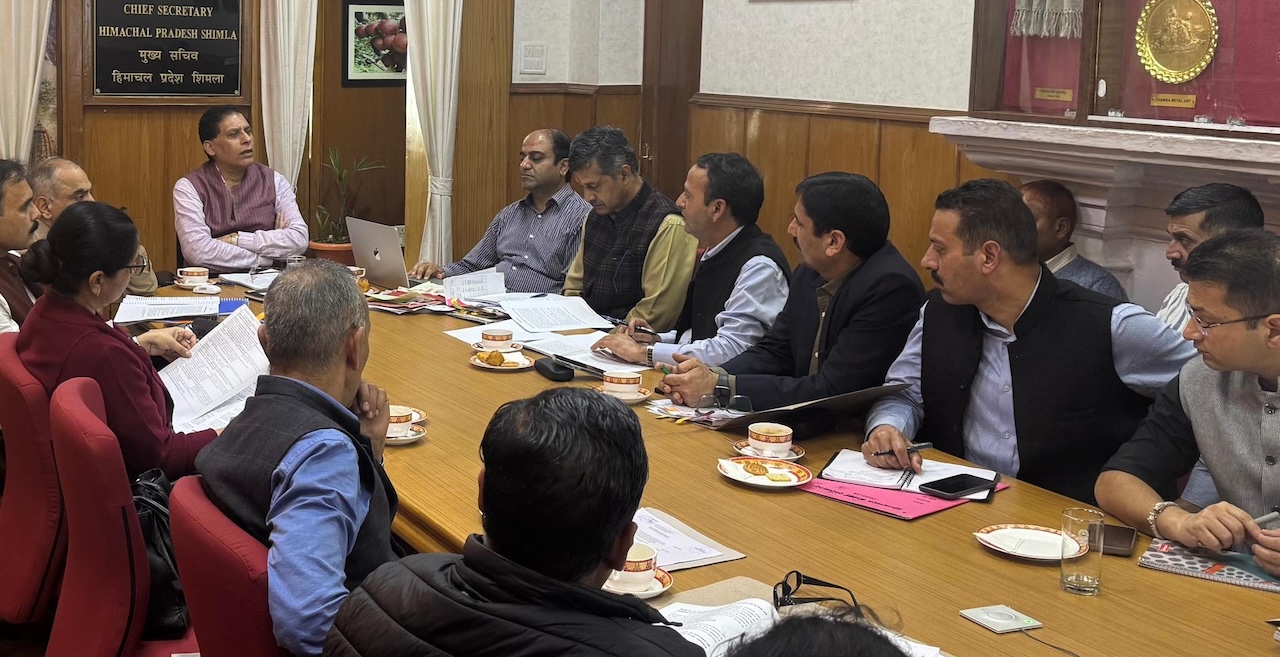
Presiding over the 26th meeting of the State Executive Committee (SEC) under the Disaster Management Act, 2005, Saxena stressed the importance of proper muck disposal to minimise risks during future calamities. He instructed the Secretary, PWD, to coordinate with departments such as Forest, Jal Shakti, and the National Highways Authority of India (NHAI) to ensure effective planning and implementation.
In a significant policy shift, the Chief Secretary announced that powers to grant permissions for muck removal, earlier centralised at the state level, have now been delegated to the District Disaster Management Authorities (DDMAs). This move is aimed at expediting decisions and empowering districts to respond swiftly.
The SEC also reviewed the establishment of early warning systems by dam authorities in line with the 2015 guidelines and the provisions of the Dam Safety Act, 2021. Himachal Pradesh has 30 major dams, of which 25 are operational while five are still under construction.
Deliberations also included the preliminary project report under the National Landslide Risk Mitigation Programme (NLRMP) worth ₹139 crore, which will soon be submitted to the National Disaster Management Authority (NDMA). Additionally, a proposal under the Mitigation Scheme for Forest Fire Risk Management (MSFFRM) through the National Disaster Mitigation Fund (NDMF), costing ₹8.16 crore, was placed for ex-post facto approval.
The Committee further approved the utilisation of ₹78.76 lakh from SDRF/NDRF funds for clearing 46,988 cubic meters of debris from public places in Mandi district.