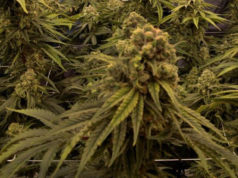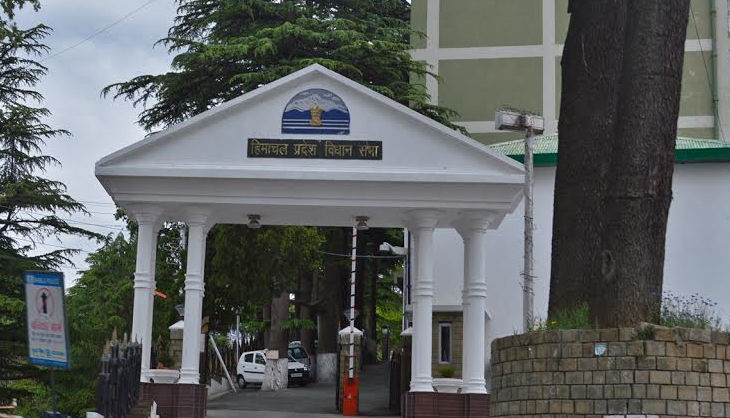

Shimla: Himachal Pradesh has taken a step towards developing an industrial hemp economy by notifying a comprehensive licensing framework for the cultivation, processing, storage, research, and transportation of industrial hemp. The new policy aims to create fresh income opportunities for farmers, attract investment in hemp-based industries, and promote sustainable manufacturing while ensuring that the use of hemp remains strictly regulated.
Under the notification issued by the Department of Taxes and Excise, farmers wishing to cultivate industrial hemp will be required to pay an annual licence fee of ₹2,000 per bigha. The state government has intentionally kept the fee affordable to encourage farmers to diversify from traditional crops and adopt industrial hemp as a viable cash crop.
Officials believe the policy has the potential to unlock a new agricultural value chain in Himachal Pradesh by linking farmers with industries engaged in manufacturing hemp-based products. Industrial hemp is recognised globally as a versatile crop with applications across several sectors, including textiles, construction, paper, cosmetics, and biodegradable consumer products.
The policy clearly distinguishes industrial hemp from narcotic cannabis. While hemp cultivation will be permitted for industrial, scientific, and medicinal purposes, the production and use of ganja (marijuana) and charas (hashish) remain prohibited under existing laws. The government has stressed that the new framework is designed to facilitate legitimate industrial activity without compromising enforcement against narcotic substances.
To regulate the sector, the government has introduced a structured licensing system for businesses operating across the hemp value chain. Processing and manufacturing units producing hemp fibre, textiles, ropes, bags, paper, cosmetics, construction materials, and other hemp-derived products will be required to obtain an annual licence by paying ₹10 lakh. The fee structure is intended to ensure that only committed investors and serious enterprises participate in the emerging industry.
The policy also provides for an integrated licence for companies seeking to oversee the entire production cycle—from cultivation to processing and manufacturing. Such enterprises will also pay an annual licence fee of ₹10 lakh, allowing them to operate under a single regulatory framework.
In addition, storage facilities handling industrial hemp will require an annual licence costing ₹10,000, while institutions carrying out research and analytical testing will pay ₹1 lakh annually. The transportation of harvested hemp will be regulated through permits, each costing ₹2,000, ensuring traceability and oversight throughout the supply chain.
The government expects the regulated cultivation of industrial hemp to generate new livelihood opportunities for farmers, encourage rural entrepreneurship, and attract investments in value-added manufacturing. By promoting products such as textiles, ropes, eco-friendly packaging, paper, and construction materials, the policy also aligns with the growing global demand for sustainable and environmentally friendly alternatives.
With the notification of these guidelines, Himachal Pradesh has laid the regulatory foundation for an organised industrial hemp sector, seeking to position the state as a future hub for hemp-based agriculture and manufacturing while maintaining strict controls against the misuse of cannabis for narcotic purposes.