Shimla: The proposed introduction of a hydrogen-powered train on the historic Kalka-Shimla Railway has moved a step forward, with the Ministry of Railways completing the survey for the project and identifying a suitable site at Barog railway station for a hydrogen fuel plant.
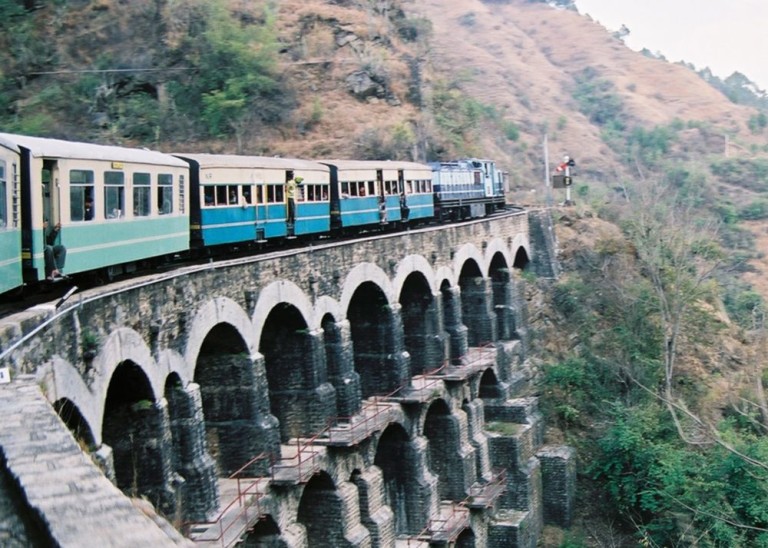
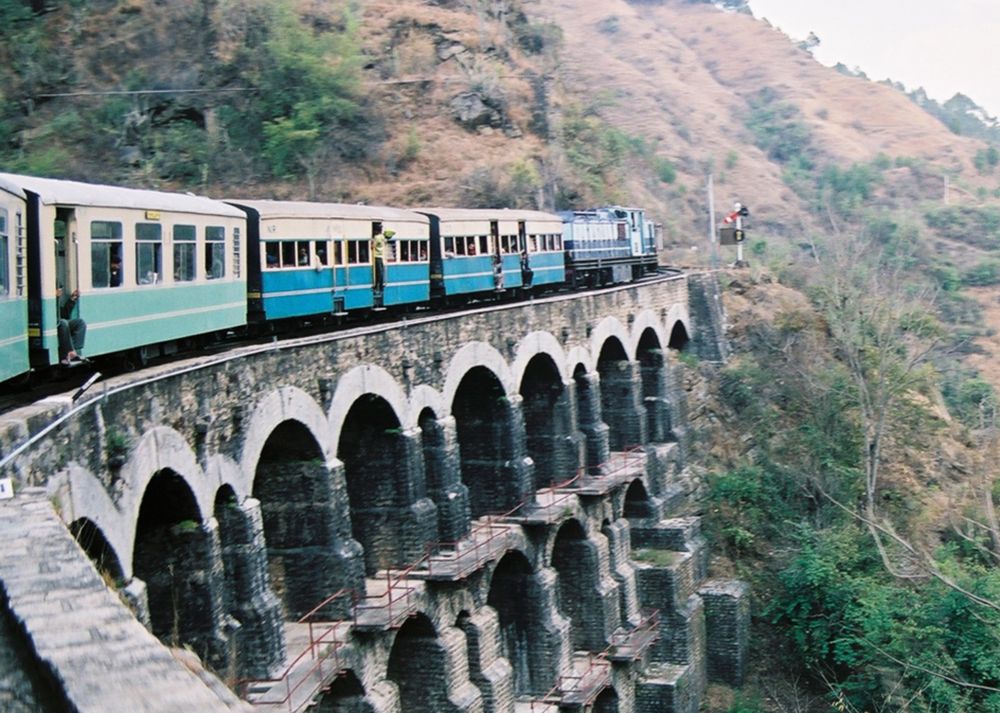
The initiative, being pursued under the Centre’s Hydrogen for Heritage programme, aims to reduce pollution and promote cleaner rail transport along the UNESCO World Heritage-listed Kalka-Shimla railway route, renowned for its scenic landscapes, tunnels, bridges and winding mountain tracks.
According to railway officials, the survey has been completed and a location for the proposed hydrogen plant has been identified at Barog. The next steps will depend on the examination of the survey report and the necessary approvals from the Ministry of Railways. A trial run of the hydrogen-powered train could be considered after the required technical and administrative formalities are completed.
Unlike conventional diesel locomotives, hydrogen-powered trains use fuel-cell technology to generate electricity, with water as the principal by-product at the point of use. The technology could help reduce local air pollution and support efforts to preserve the natural surroundings along the heritage railway.
The Centre included the project in its plans for 2024–25, following which the Railway Board undertook surveys and assessments for its implementation. The Kalka-Shimla section is among the routes identified under the Hydrogen for Heritage initiative, which envisages the deployment of 35 hydrogen-powered trains.
If implemented, the project would mark a significant development for India’s narrow-gauge railway network. A hydrogen train project is also being pursued on the Jind-Sonipat section in Haryana, which operates on broad gauge. Introducing hydrogen-powered technology on the Kalka-Shimla route would involve addressing the distinct engineering requirements of a mountainous narrow-gauge line.
The approximately 96-kilometre Kalka-Shimla Railway has a history spanning more than 120 years. The route features 103 tunnels, over 800 bridges and approximately 900 curves, making it one of India’s most distinctive examples of mountain railway engineering.
The railway has evolved from coal-powered locomotives to diesel traction over the decades. The proposed hydrogen train would represent another potential milestone in its technological development while retaining the route’s historic character.
Indian Railways is also pursuing other modernisation measures on the section, including plans to introduce new coaches and trainsets to improve passenger comfort and the overall travel experience.
The proposed hydrogen facility at Barog is expected to be a key component of the project, providing the infrastructure required to support hydrogen-powered operations. However, the train’s introduction will depend on the Railway Ministry’s approval, technical feasibility and completion of the remaining procedures.
The project, if approved and implemented, could combine cleaner propulsion technology with the heritage railway’s tourism appeal, offering passengers a more environmentally friendly way to experience the Himalayan foothills.