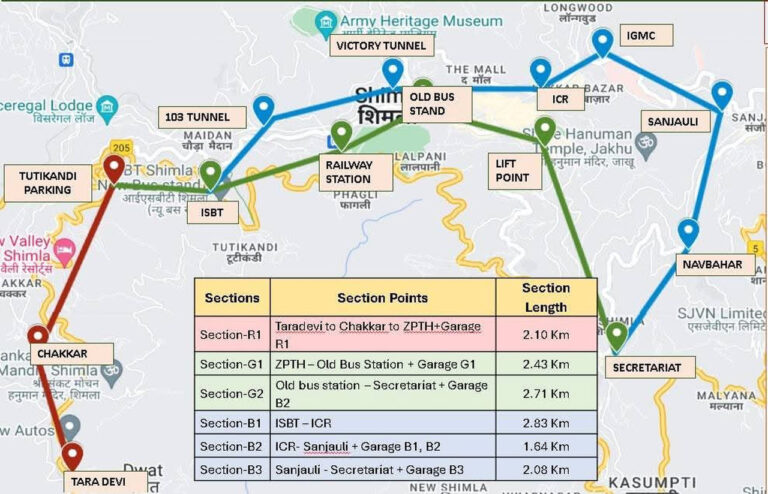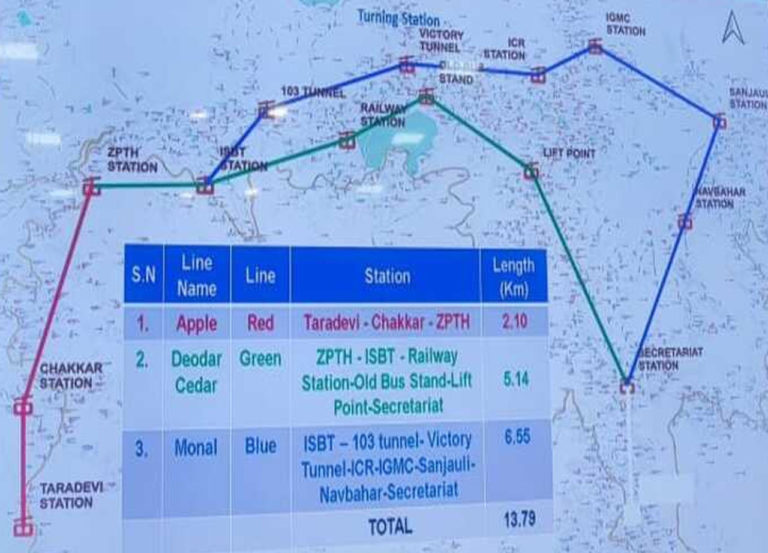
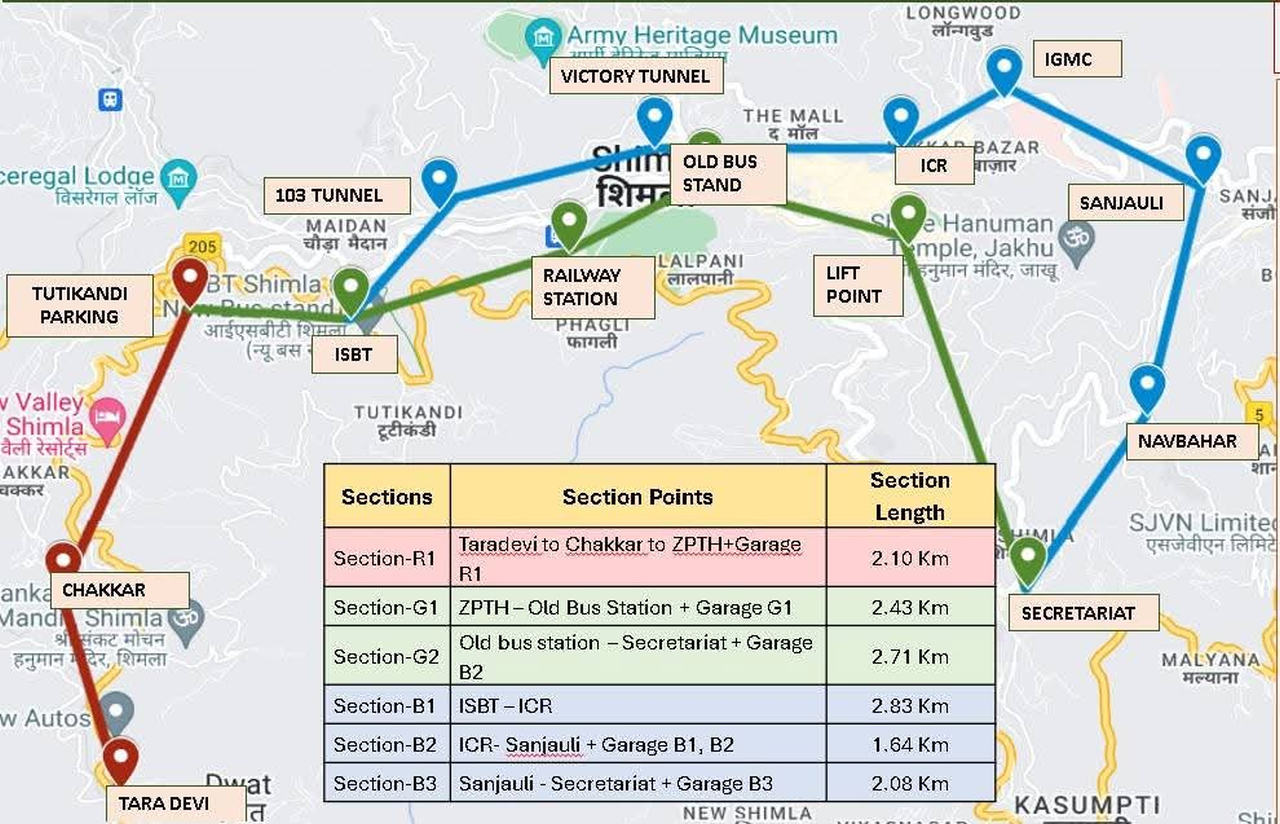
Shimla: The Himachal Pradesh government has decided to increasingly rely on private investment and the Public-Private Partnership (PPP) model for major ropeway projects after the estimated cost of the proposed Shimla ropeway project rose to around ₹2,700 crore.
Chief Minister Sukhvinder Singh Sukhu made the statement during a detailed discussion on ropeway projects in the Legislative Assembly on Wednesday. He said the government was unable to proceed with the Shimla ropeway project and ultimately had to cancel it because of the sharp increase in its estimated cost.
During Question Hour, the Chief Minister made it clear that the state government does not have the financial capacity to undertake large ropeway projects entirely through its own resources. With construction as well as operational costs remaining high, private sector participation has now become an important part of the government’s strategy.
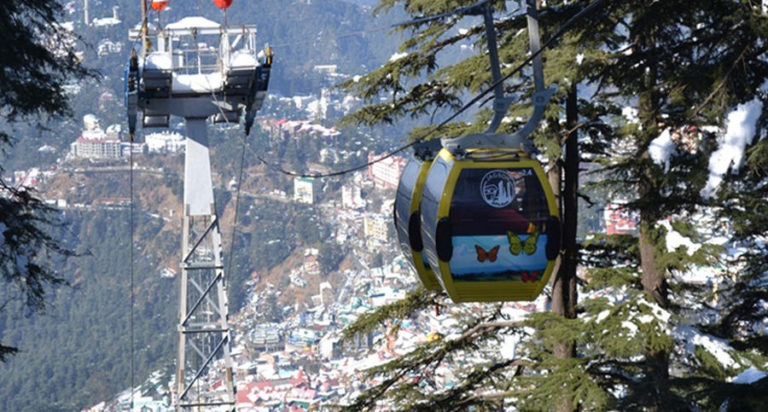
Sukhu said ropeways are particularly important for Himachal Pradesh because of the state’s difficult mountainous terrain. They can provide an alternative mode of transportation, ease pressure on existing roads and improve connectivity in hilly areas.
However, the Chief Minister pointed out that the financial viability of ropeway systems remains a major concern. In some cases, trolleys operate with very few passengers or even run empty, while the government continues to incur expenditure on maintenance and operations. This makes it difficult for the state to invest heavily in such projects using public funds alone.
Against this backdrop, the government is looking towards the PPP model to facilitate the development of future ropeway projects. Private participation is expected to reduce the direct financial burden on the state while bringing investment and operational expertise into the sector.
The Chief Minister also highlighted the challenges associated with obtaining clearances under the Forest Conservation Act (FCA). Since ropeway projects often pass through forested and environmentally sensitive areas, securing the necessary approvals can become a significant hurdle and delay implementation.
The cancellation of the Shimla ropeway project due to its escalating cost has consequently prompted a broader rethink of how major ropeway infrastructure should be financed in the state.
While reiterating the importance of ropeways for Himachal Pradesh’s future transport needs, Sukhu indicated that financially sustainable models involving private investment would be necessary to take large projects forward. The PPP approach is therefore likely to play a greater role in the state’s ropeway development plans in the coming years.