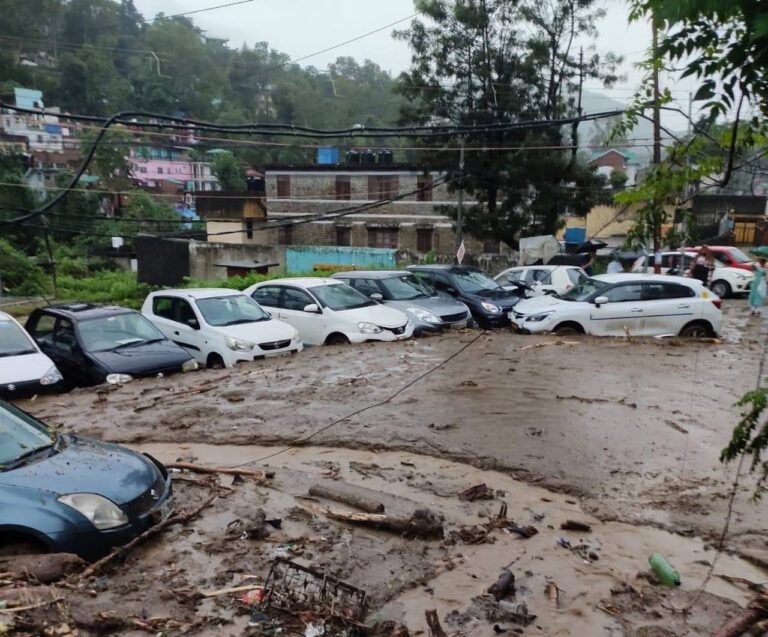
Shimla: The Himachal Pradesh government has announced plans to develop disaster-resilient infrastructure across the state at an estimated cost of ₹3,500 crore, aiming to strengthen its capacity to withstand natural disasters and reduce future losses in the ecologically fragile Himalayan region.
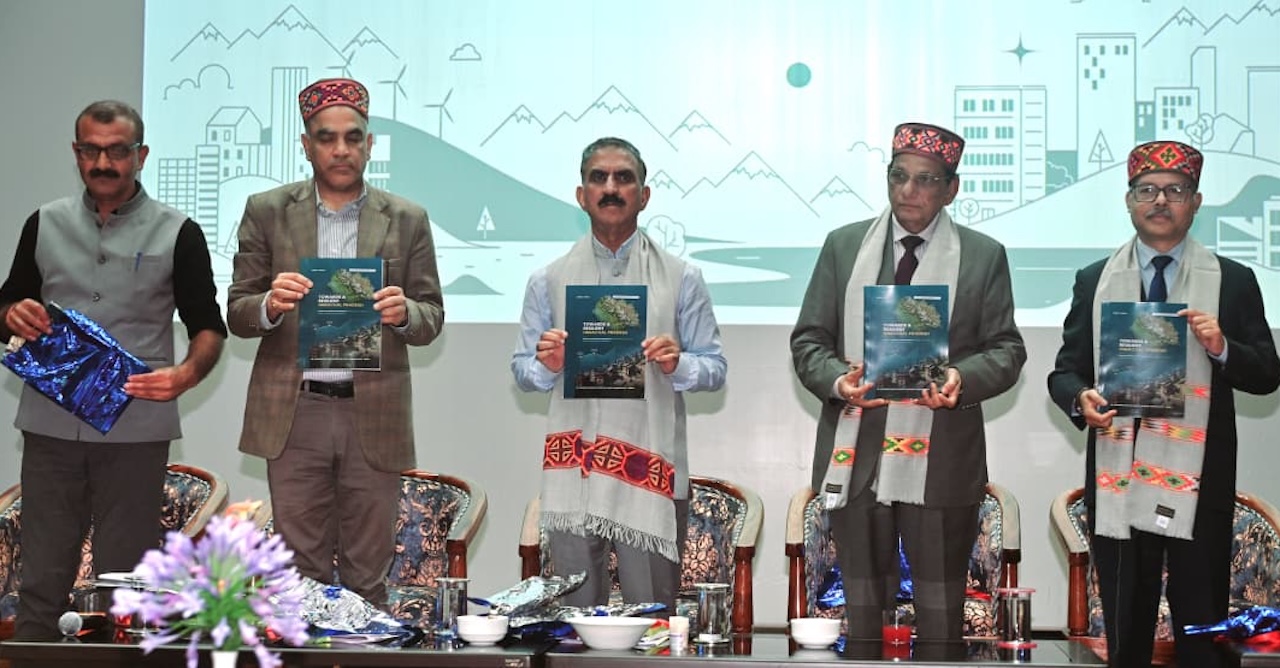
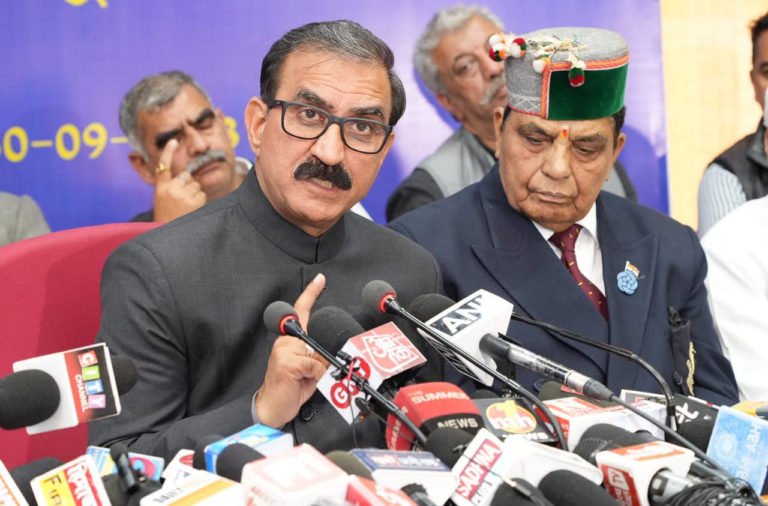
Chief Minister Sukhvinder Singh Sukhu, in a valedictory session of the high-level workshop on “Towards Resilience Infrastructure Planning in the Western Himalaya” at the Dr. Manmohan Singh Himachal Pradesh Institute of Public Administration (HIPA) in Shimla on Friday, said Himachal Pradesh’s mountainous terrain and difficult geographical conditions have made it increasingly vulnerable to climate-induced disasters. Stressing the need for long-term planning, he said the proposed investment in resilient infrastructure would help the state better prepare for extreme weather events and protect lives, livelihoods and public assets.
Recalling the devastating disasters of 2023, Sukhu said nearly 75,000 tourists were stranded across the state. He said the government, with coordinated efforts from ministers and the administration, ensured the safe evacuation of all stranded tourists while restoring essential services on a war footing. He also praised Revenue Minister Jagat Singh Negi and MLA Sanjay Awasthi for personally leading the rescue operation that evacuated around 300 stranded tourists from Chandratal Lake.
The Chief Minister said the 2023 calamity destroyed nearly 23,000 houses and claimed 51 lives. In response, the state government introduced significant changes to its relief policy, increasing compensation for fully damaged houses from ₹1.30 lakh to ₹8 lakh. He said the experience gained during the 2023 disaster enabled the administration to respond more effectively during the 2025 disasters, resulting in comparatively lower losses despite the severity of the situation.
Highlighting the growing impact of climate change, Sukhu said the increasing frequency of cloudbursts in Himachal Pradesh was linked to changing climatic conditions and enhanced evaporation from reservoirs created by large dams. While the state is currently facing these challenges, he cautioned that other states are also likely to experience similar impacts in the coming years. He said addressing these issues would require bold policy decisions and changes in development practices, adding that the government was prepared to take necessary steps in the larger public interest.
The Chief Minister said tourism remains one of the strongest pillars of Himachal Pradesh’s economy, supporting thousands of families. He reiterated the government’s commitment to promoting sustainable tourism while working towards making the state self-reliant.
Describing the workshop as an important step towards future planning, Sukhu said it was not merely about infrastructure development but about building a safer, more resilient and inclusive Himachal Pradesh. He expressed confidence that the recommendations emerging from the deliberations would play a key role in shaping future government policies.
On the occasion, the Chief Minister released a report titled “Towards Resilient Himachal Pradesh: Lessons and Recommendations from the 2023 and 2025 Hydro-Meteorological Disasters.” He also launched the Himachal Social Impact Assessment Management System (SIAU Portal), saying it would strengthen data-driven decision-making, improve inter-departmental coordination and enhance administrative efficiency.
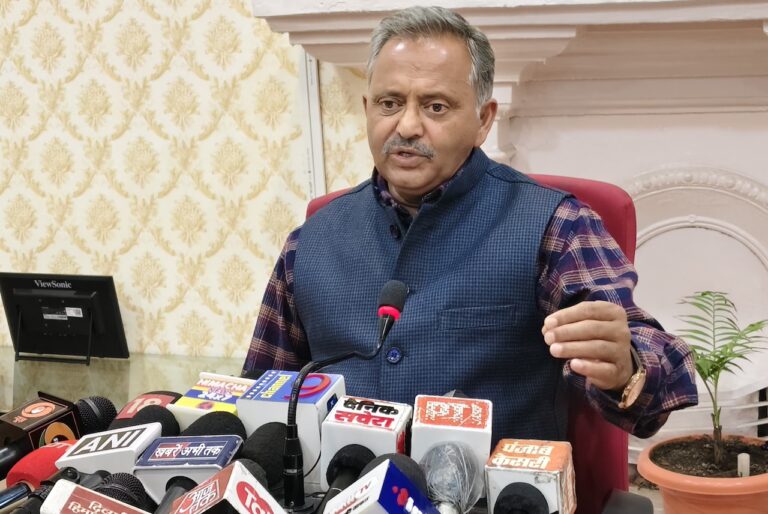
Vice Chairman of the State Disaster Management Authority, Deepak Rathore, said the Western Himalaya has witnessed a sharp increase in disasters in recent years due to its ecological fragility. He stressed the need to integrate disaster resilience into infrastructure planning, strengthen early warning systems, continuously monitor vulnerable glacial lakes and develop engineering standards specifically suited to mountain regions. He also underlined the importance of public awareness in reducing disaster risks.
Chief Secretary K.K. Pant said climate change has emerged as one of the state’s biggest challenges. Referring to the disasters of 2023 and 2025, he said the government’s objective was not merely to rebuild damaged infrastructure but to create resilient systems capable of withstanding future climate impacts. He also emphasised strengthening institutional capacity for effective disaster management.
Former NITI Aayog member Dr. V.K. Paul described the 2023 disaster as a wake-up call, saying the effects of global warming have intensified the developmental challenges faced by Himachal Pradesh. He called for a multi-dimensional policy approach involving all stakeholders, stressing that disaster resilience requires coordinated action across departments and institutions to safeguard lives and property in the years ahead.