Shimla: The Himachal Pradesh Government signed a significant Memorandum of Understanding (MoU) with the United Nations Development Programme (UNDP) on Friday to advance climate-resilient, inclusive, and sustainable development while safeguarding the fragile Himalayan ecology.
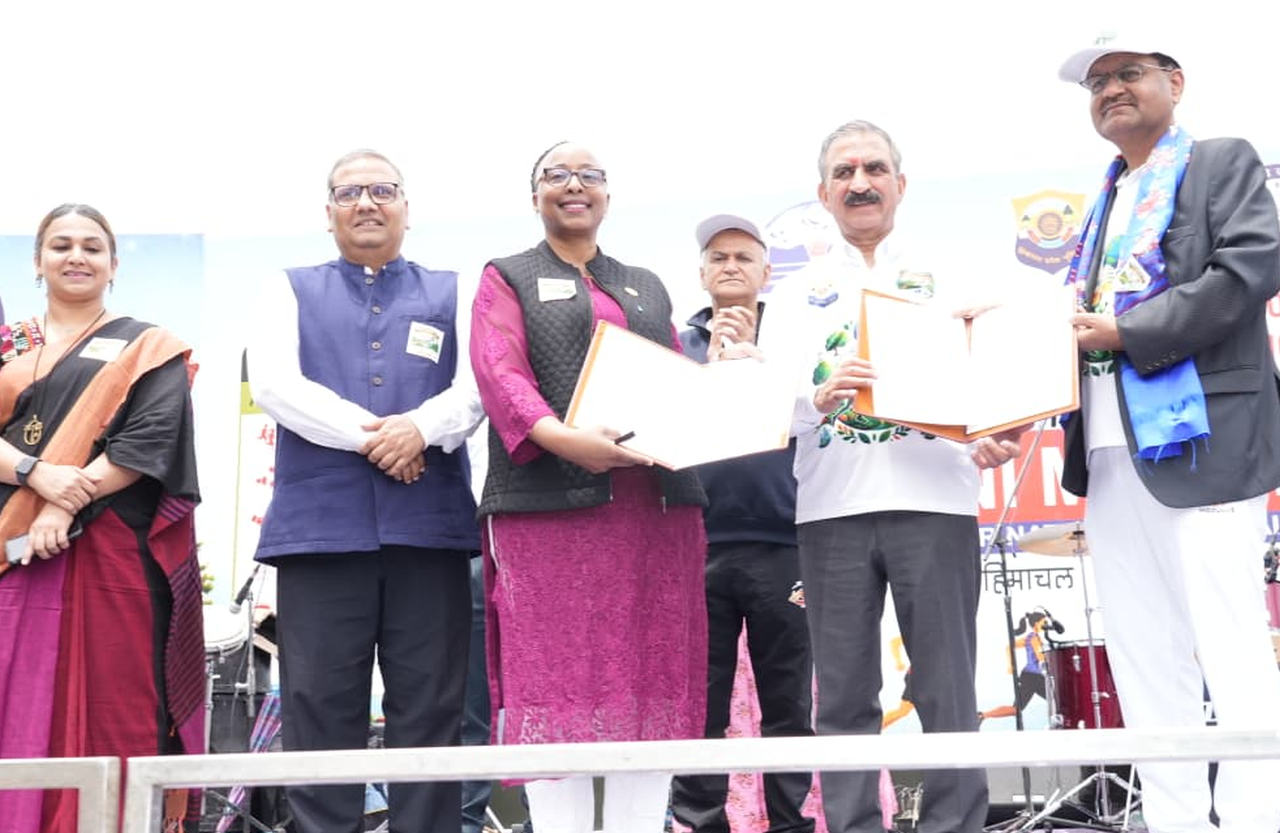
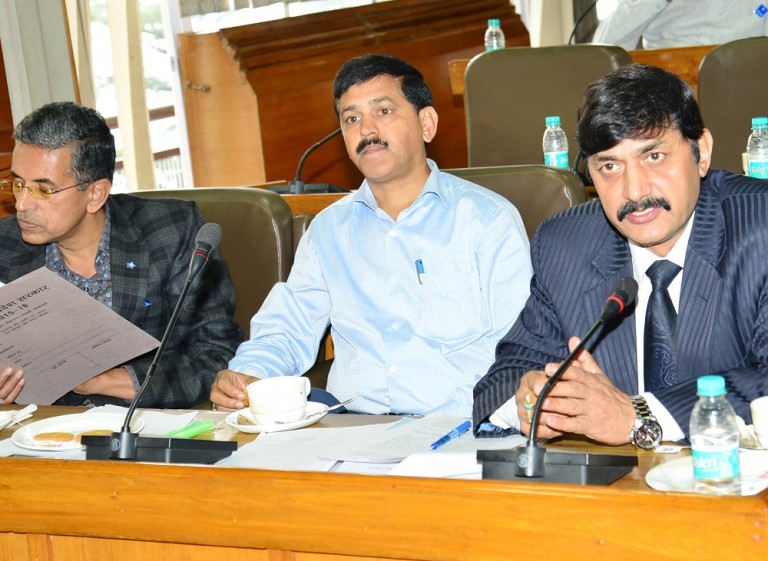
The MoU was signed in the presence of Chief Minister Sukhvinder Singh Sukhu. Secretary, Environment, Science, Technology and Climate Change, Sushil Singla, signed the agreement on behalf of the state government, while Dr. Angela Lusigi, Resident Representative, UNDP, signed on behalf of the United Nations body.
The partnership focuses on critical areas including circular economy, waste management, social inclusion of waste management workers, electric mobility for waste collection, natural resource management, and biodiversity conservation. It also includes landscape restoration, ecosystem-based adaptation, nature-based solutions, biodiversity-linked sustainable livelihoods, protection of critical habitats and biodiversity corridors, and strengthening of regulatory frameworks for ecological resilience in climate-vulnerable regions.
A key highlight of the collaboration is its strong emphasis on gender-responsive and socially inclusive development, ensuring the active participation of women, marginalized communities, and informal workers in planning and implementation.
Speaking on the occasion, Chief Minister Thakur Sukhvinder Singh Sukhu stated that the agreement would enable the state to blend global best practices with local solutions to protect Himachal’s sensitive Himalayan environment while creating sustainable green livelihood opportunities for the people.
“The collaboration will accelerate Himachal’s progress towards achieving the Sustainable Development Goals (SDGs),” the Chief Minister said.
He further added that the MoU is in complete alignment with the state government’s vision of transforming Himachal Pradesh into a Green Energy State and a model for sustainable development in the Himalayan region. The partnership will promote knowledge exchange, capacity building, pilot projects, and mobilization of climate finance for long-term environmental and developmental goals.