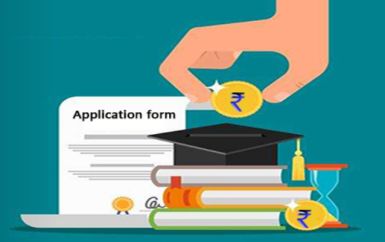
In a move aimed at plugging leakages and preventing fraudulent claims, students belonging to the Scheduled Castes (SC) and Other Backward Classes (OBC) in Himachal Pradesh will now have to undergo facial recognition-based verification to avail benefits under pre-matric and post-matric scholarship schemes.
The Union Ministry of Social Justice and Empowerment has updated the beneficiary verification process and introduced facial authentication as part of efforts to strengthen transparency in scholarship disbursement.
Director of Higher Education Dr. Harish Kumar Awasthi has issued directions to heads of educational institutions in the state regarding the implementation of the revised system.
To facilitate students, the Ministry has launched a mobile application named ‘Setu’, which has been integrated with the UMANG national e-governance platform. Through the app, students can submit applications, upload documents, complete verification procedures and monitor the status of their applications without visiting institutions or offices.
Officials said the new mechanism would help digitise the entire scholarship process, improve the accuracy of beneficiary identification and curb fraudulent applications. Scholarship amounts will continue to be transferred directly into the bank accounts of beneficiaries through the Direct Benefit Transfer (DBT) system, ensuring secure and transparent payments.
To make the platform more accessible, the ‘Setu’ app has been made available in 13 Indian languages. The multilingual interface is expected to benefit students from rural and remote areas by enabling them to access services in their preferred language. In the initial phase, the platform will be implemented in states and Union Territories linked to the National Scholarship Portal.
The introduction of facial authentication assumes significance in Himachal Pradesh, which witnessed one of the country’s biggest scholarship scams. The multi-crore scam, which came to light in 2018, involved alleged embezzlement of scholarship funds meant for SC, ST and OBC students. Investigations revealed that several private educational institutions, in connivance with middlemen and bank officials, had siphoned off money by creating fake admissions, inflating student numbers and manipulating bank accounts.
The case involved irregularities in scholarships released between 2013 and 2017 and affected thousands of students. The scam, estimated to be worth around ₹181 crore, was initially probed by a Special Investigation Team before being handed over to the Central Bureau of Investigation (CBI). The agency filed chargesheets against dozens of accused, including owners and officials of private educational institutions, bank employees and government functionaries. The scandal had exposed serious loopholes in the scholarship distribution mechanism and prompted demands for stricter verification and monitoring systems.