
CM Sukhu holds talks with Norwegian Ambassador May-Elin Stener in Shimla; invites investment in tourism, green energy and geothermal sectors
Himachal Pradesh is looking to strengthen its waste management systems and promote environmentally responsible growth through collaboration with Norway. Chief Minister Sukhvinder Singh Sukhu on Tuesday held detailed discussions with Norwegian Ambassador to India May-Elin Stener in Shimla on cooperation in waste recycling, sustainable tourism and climate-resilient urban development.
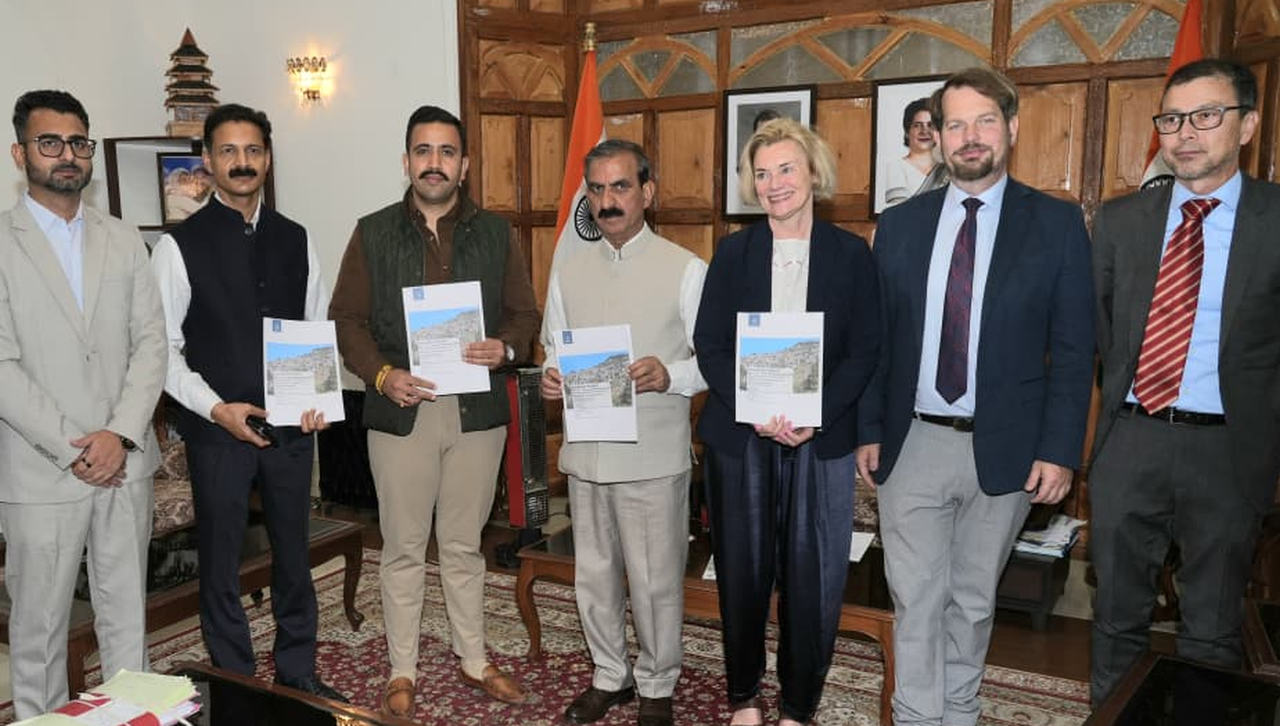
The two sides deliberated on issues related to solid waste management and the processing and recycling of Construction and Demolition (C&D) waste in the state. Himachal Pradesh is keen to benefit from Norwegian expertise, best practices and advanced technologies in these areas.
Besides C&D waste management, the state government is exploring cooperation with Norway in areas such as circular economy and resource recovery, sustainable tourism and waste-free destinations, climate-resilient urban development, renewable energy and green transition, as well as digital governance and smart cities.
Chief Minister Sukhu also invited Norwegian companies to invest in Himachal Pradesh, particularly in the tourism, green energy and geothermal sectors.
“Himachal Pradesh and Norway share a common commitment to protecting nature while pursuing sustainable development. I am confident that this cooperation will lead to innovative solutions that benefit not only Himachal Pradesh but also other hilly regions across the world,” the Chief Minister said.
He said the state government was committed to making Himachal Pradesh a leading Himalayan state in sustainable and environmentally responsible urban development. He invited Norwegian institutions, experts and technology providers to work closely with the state government to develop innovative and scalable solutions that could be replicated across mountain regions.
The proposed partnership assumes significance as hill states are facing increasing challenges in handling rising volumes of municipal and construction waste. Scientific processing and recycling of C&D waste can help reduce pressure on dumping sites, conserve natural resources and support a circular economy. Sustainable urban planning and climate-resilient infrastructure are also becoming increasingly important in ecologically sensitive Himalayan regions.
The discussions are expected to open avenues for technological cooperation and investment, with the state aiming to adopt global best practices to address environmental challenges while pursuing sustainable development.