
Shimla: Amid the ongoing dispute over sealed and restricted routes leading to the High Court and District Court complexes in Shimla, the Himachal Pradesh government has constituted a high-level committee to examine the issue and recommend a permanent solution. The committee has been directed to submit its report within seven days.
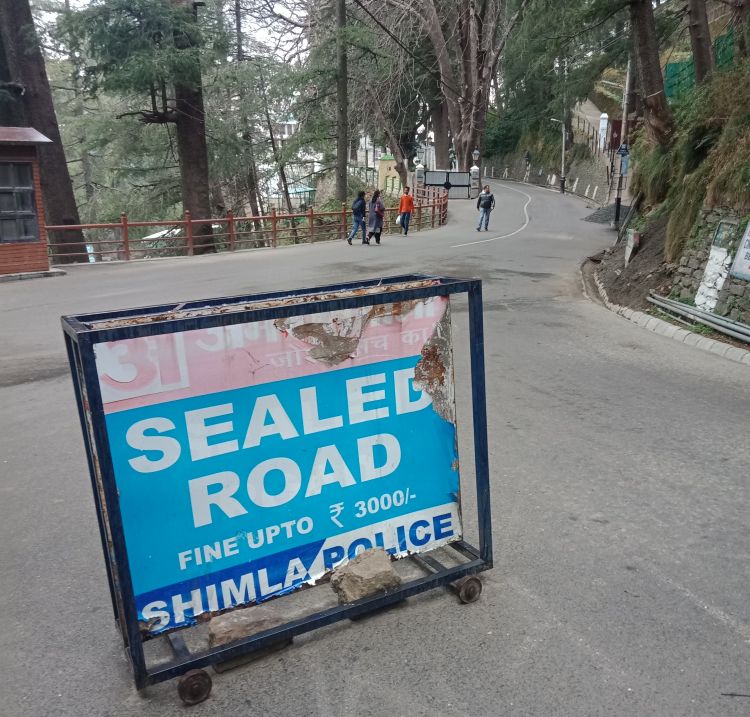
According to a notification issued by the Home Department, the committee will begin functioning immediately and will look into concerns related to the closure and restriction of routes affecting advocates’ access to the court complexes. The panel has also been tasked with consulting all relevant stakeholders before making its recommendations.
The committee will be chaired by Himachal Pradesh Advocate General Anup Rattan. Other members include High Court Bar Association President Hameendar Singh Chandel, former Advocates General Shravan Dogra and Ashok Sharma, and elected Bar Council member Sanjeev Bhushan.
The government has asked the committee to examine all issues connected with the sealed and restricted routes and hold discussions with concerned departments, officials and other stakeholders. Based on these consultations, the panel will suggest a practical and long-term solution to the matter.
Ashish Singhmar, Secretary of the General Administration Department, has been appointed as the convener of the committee. The panel also includes the DIG (Law and Order) from Police Headquarters, the Deputy Commissioner of Shimla and the Superintendent of Police, Shimla.
The notification states that the Home Department will provide the necessary secretarial and coordination support to facilitate the committee’s work.
The issue of access to the High Court and District Court complexes has been a matter of concern for the legal fraternity, with advocates raising objections over restrictions on routes used to reach the court premises. The government expects the committee’s recommendations to help resolve the dispute and ensure smooth access to the courts while addressing administrative and security concerns.
The formation of the committee is being seen as an effort to find a consensus-based solution to an issue that has affected lawyers and court visitors in the state capital. The panel’s report is expected to provide a roadmap for resolving the long-pending dispute over access to the court complexes.