
Shimla: With native honey bees nearing extinction and pollination demand increasing in apple orchards, the Himachal Pradesh Horticulture Department has decided to establish Himalayan Bee Parks to conserve the endangered indigenous honey bee, Apis cerana, across the state.
As part of the initiative, Shimla, Kangra and Una districts have been selected for the pilot phase. The first park will be developed at PCDO Sunni in Shimla district, while similar facilities are planned at PCDO Gummar in Kangra and PCDO Saloh in Una. The department has submitted a detailed project proposal to the National Bee Board and expects approval soon. Officials said the parks will be completed within this year once clearance is granted.
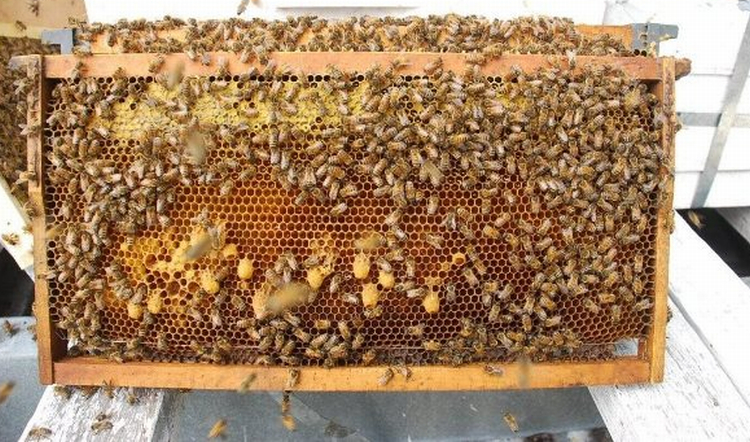
Under the plan, one hectare of land at each site will be developed with 100 mud hives for the native Apis cerana and 100 wooden boxes for the Italian honey bee, Apis mellifera. While Apis mellifera is widely used in orchards due to higher honey production, experts believe that the native Himalayan bee is better adapted to local climatic conditions and provides efficient pollination at moderate temperatures.
According to horticulture experts, Apis cerana performs best in temperatures ranging between 15 and 22 degrees Celsius and remains active up to 24 degrees Celsius. Given Himachal’s climate, conserving this indigenous species is seen as crucial for sustaining fruit production.
Department data shows that apple cultivation is carried out on nearly 1.20 lakh hectares in the state. Each hectare requires at least four bee boxes during the flowering season for proper pollination. With pollination needs expected to rise, officials say the bee parks will help ensure a steady supply of native pollinators, strengthening the horticulture economy.
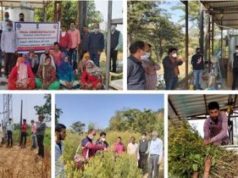
The initiative will also focus on training and capacity building. More than 100 horticulturists will be trained in scientific beekeeping practices. Rural youth and women will be encouraged to take up beekeeping as an additional source of income. Flowering plants will be cultivated within the parks to create a natural habitat for bees.
Apart from conservation, the parks will function as educational hubs for school and college students and are expected to attract tourists interested in biodiversity and sustainable agriculture. Honey and other natural products will also be made available at these centres.
Officials said the main objective is to conserve indigenous Himalayan bees, improve pollination services for horticultural and agricultural crops, and create livelihood opportunities in rural areas. With native bee species declining rapidly, the department’s move is being viewed as an important step to protect Himachal’s fruit economy and ecological balance.