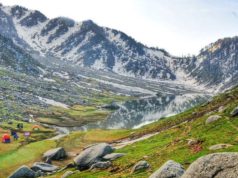

Rapid glacier retreat and repeated spells of intense rainfall are pushing the fragile Himalayan ecosystem towards instability, raising fresh concerns over the future of mountain communities and water security in North India. From expanding glacial lakes to sudden cloudbursts that trigger flash floods and landslides, the signs of climate stress are becoming sharper and more frequent across Himachal Pradesh.
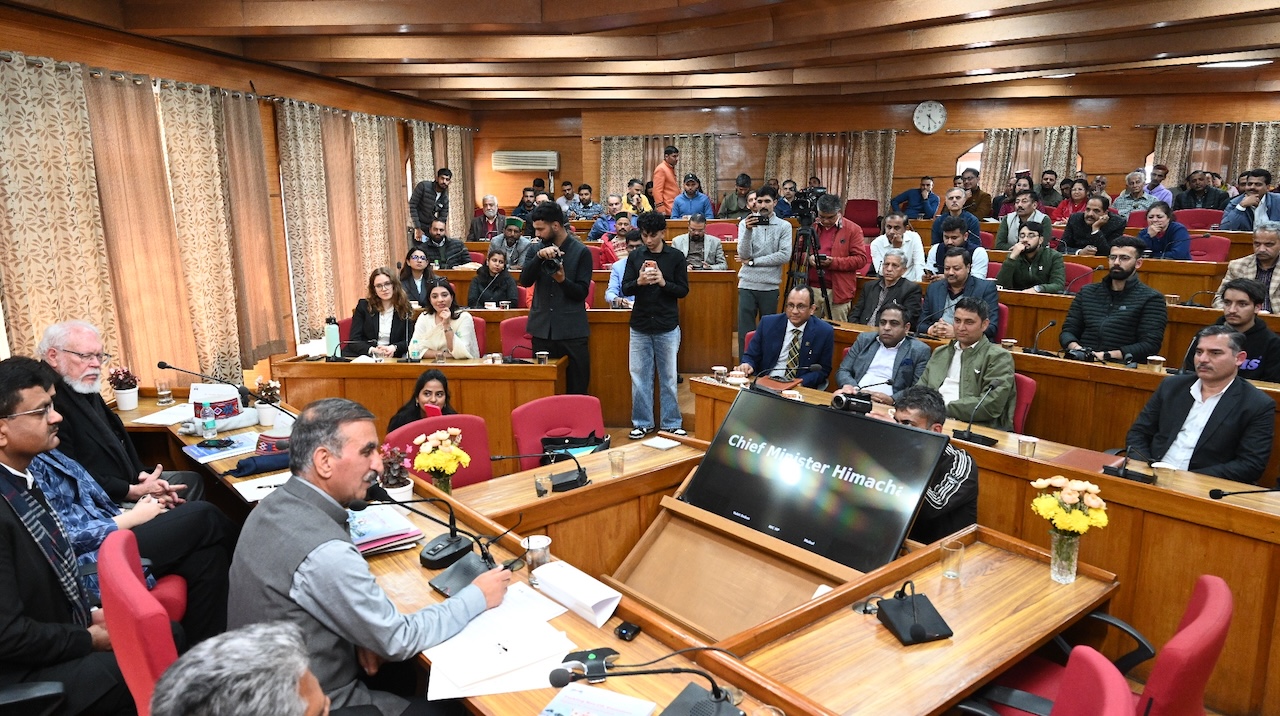
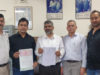
Himachal Pradesh Chief Minister Sukhvinder Singh Sukhu on Tuesday acknowledged the growing threat while releasing the report titled “Scientific Assessment of Tackling Non-CO2 Emissions: Pathways for Himachal Pradesh.” He said unprecedented cloudbursts, flash floods and shrinking glaciers are clear warning signals of accelerating climate change. Referring to the 2023 monsoon disaster, he pointed out that more than 23,000 houses were destroyed across the state, calling it one of the most severe climate-linked crises in recent history.
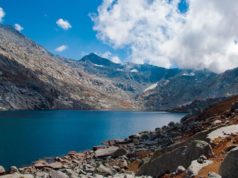
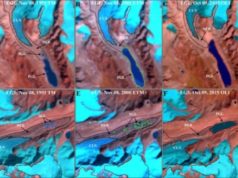
Scientific assessments show that the Himalayan region is warming faster than the global average. As temperatures rise, glaciers in the western Himalayas are receding at an alarming pace. This retreat not only threatens long-term water availability but also increases the risk of Glacial Lake Outburst Floods (GLOFs), as unstable glacial lakes expand due to rapid melting.
At the same time, changing atmospheric patterns are resulting in short-duration, high-intensity rainfall events. These cloudbursts dump massive amounts of rain within hours, overwhelming natural drainage systems and triggering landslides in vulnerable mountain terrain. Experts have warned that such extreme weather events are likely to increase in frequency if emissions are not curbed.
The Chief Minister said Himachal Pradesh is not merely a geographical entity but the soul of the Himalayas, with its glaciers and rivers sustaining millions beyond the state’s borders. He stressed that any disturbance in this ecosystem would have consequences for the entire nation.
The report highlights the urgent need to reduce non-CO2 emissions such as methane and black carbon, which significantly accelerate glacier melt. Environmental experts have pointed out that black carbon particles from vehicular emissions, biomass burning and construction activity settle on snow surfaces, reducing reflectivity and speeding up melting.
Linking environmental sustainability with financial justice, the Chief Minister also reiterated that the state would not move ahead with projects such as the Kishau Dam and the Renuka Dam unless neighbouring states provide firm assurances to clear long-pending arrears of the Bhakra Beas Management Board.
As glacier retreat accelerates and rainfall patterns grow more erratic, the Himalayan state faces a defining moment. The warning is clear — climate change is reshaping the mountains, and the window for preventive action is narrowing.