Shimla: Motorists in Himachal Pradesh could face strict legal action for obstructing ambulances, fire tenders, police vehicles and other authorised emergency vehicles, the Himachal Pradesh Police has warned.
In an advisory aimed at improving road safety and ensuring the timely movement of emergency services, the police said deliberately failing to give way to an emergency vehicle can attract action under Section 194E of the Motor Vehicles Act, 1988.
According to the police, the offence can result in imprisonment of up to six months, a fine of up to ₹10,000, or both. The police stressed that giving way to emergency vehicles is not merely a social responsibility but also a legal obligation.
The advisory comes amid the importance of ensuring uninterrupted movement of emergency vehicles during accidents, fires, medical emergencies and other critical situations, where even a few minutes can make a difference.
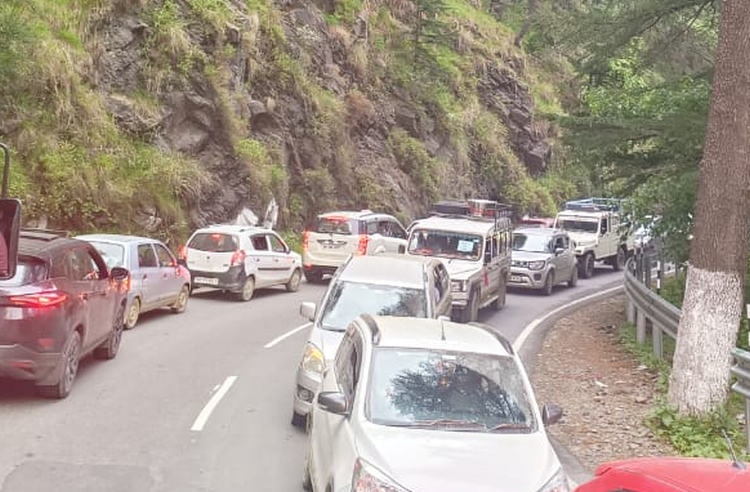
The police have urged motorists to remain alert whenever they hear the siren of an ambulance, fire tender or other authorised emergency vehicle and immediately make arrangements to provide a safe passage.
Drivers who find an emergency vehicle approaching from behind have been advised not to panic. Instead, they should safely move their vehicles towards the left side of the road, wherever possible, while ensuring that they do not create another traffic hazard.
The police clarified that the term emergency vehicle is not restricted to ambulances. Fire tenders, police vehicles and other vehicles officially designated as emergency vehicles are also covered.
Special caution has been advised at traffic signals. If an emergency vehicle approaches from behind with its siren sounding while vehicles are waiting at a red light, motorists should attempt to make way safely, keeping the surrounding traffic conditions in mind.
At the same time, the police have warned motorists against using sirens, flashers or beacon lights without authorisation. Such equipment is permitted only on vehicles officially designated as emergency vehicles under the applicable law. Its unauthorised use on private vehicles is prohibited.
The police said emergency vehicles must be able to reach the scene of an incident without unnecessary delay, particularly during road accidents, fires and medical emergencies.
Emphasising that every second can be critical during rescue and relief operations, the police appealed to motorists to follow traffic rules and cooperate with emergency services.
The message from the police is clear: when an emergency vehicle approaches with its siren on, motorists must make way promptly and safely. Failure to do so can have not only serious consequences for those awaiting assistance but also legal consequences for the driver obstructing its movement.