
Shimla: The Central Government has approved 320 additional postgraduate (PG) medical seats across six government medical colleges in Himachal Pradesh, along with a grant of approximately ₹415 crore for the project, Union Health Minister Jagat Prakash Nadda announced on Saturday.
Describing the approval as a major boost to medical education and healthcare services in the hill state, Nadda said the initiative would expand opportunities for aspiring doctors and strengthen specialised medical facilities. He credited Prime Minister Narendra Modi’s leadership for the Centre’s efforts to expand medical education and healthcare infrastructure across the country.
According to Nadda, the approval for Himachal Pradesh is part of the Central Government’s plan to create 10,000 additional medical seats across the country over the next five years, at an estimated cost of ₹15,000 crore.
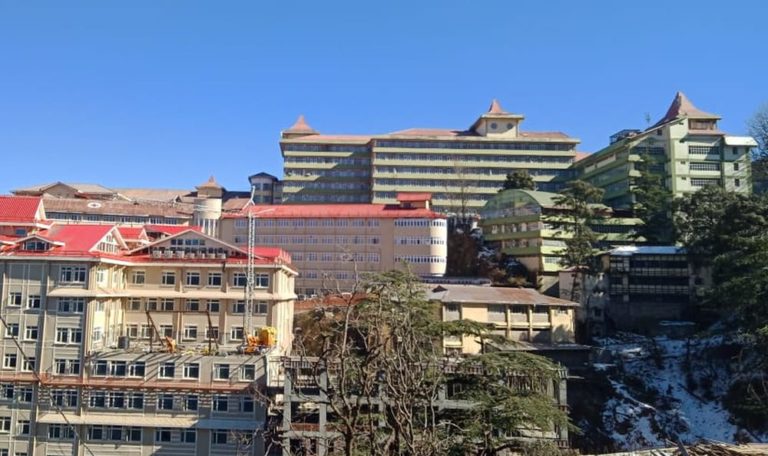
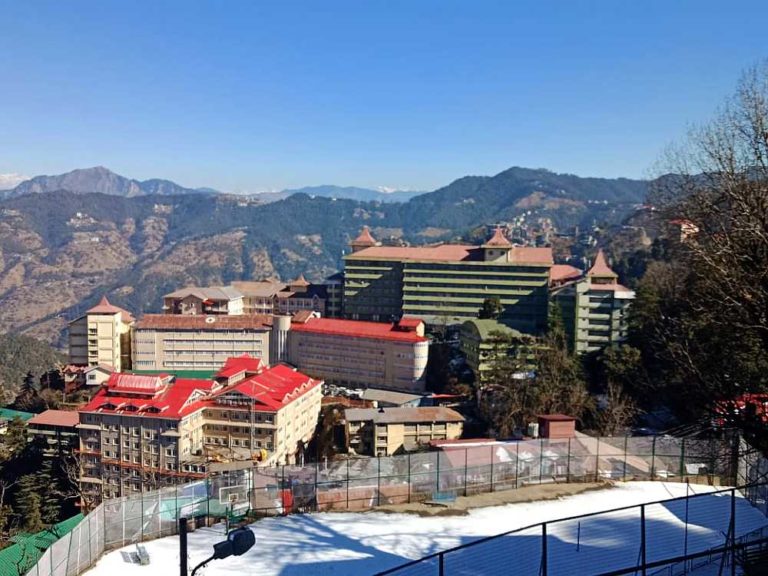
Of the 320 approved PG seats, Indira Gandhi Medical College (IGMC), Shimla, will receive the highest allocation of 91 seats, followed by 57 seats each at the medical colleges in Hamirpur and Dr Rajendra Prasad Government Medical College, Tanda. The Shri Lal Bahadur Shastri Government Medical College at Nerchowk in Mandi district has been allocated 55 seats, while Nahan will get 32 seats and Chamba 28 seats.
Nadda said the proposal was received from the Himachal Pradesh government on June 23. Chief Minister Sukhvinder Singh Sukhu also discussed the matter with him during the convocation ceremony at AIIMS Bilaspur on October 6. The Centre has now approved all 320 seats proposed for the state.
He said the expansion would strengthen postgraduate training and specialised healthcare services in disciplines such as surgery, orthopaedics, obstetrics and gynaecology, paediatrics and oncology, among others.
The additional seats are expected to provide more opportunities for students pursuing advanced medical education while helping government medical colleges strengthen their specialist workforce. Patients could also benefit from improved access to specialised treatment within the state, reducing the need to travel to other regions for certain medical services.
Nadda urged the state government to complete the required administrative formalities and other procedures promptly to ensure that all 320 seats become operational without unnecessary delay. He stressed that timely implementation was essential to ensure that the benefits of the Centre’s approval reach medical aspirants and the general public.
He also raised concerns over the pace of progress on other centrally supported healthcare projects in Himachal Pradesh, calling for faster construction of critical care blocks and public health laboratories. He emphasised that these facilities were important for strengthening the state’s healthcare infrastructure and improving its capacity to respond to medical emergencies and public health challenges.