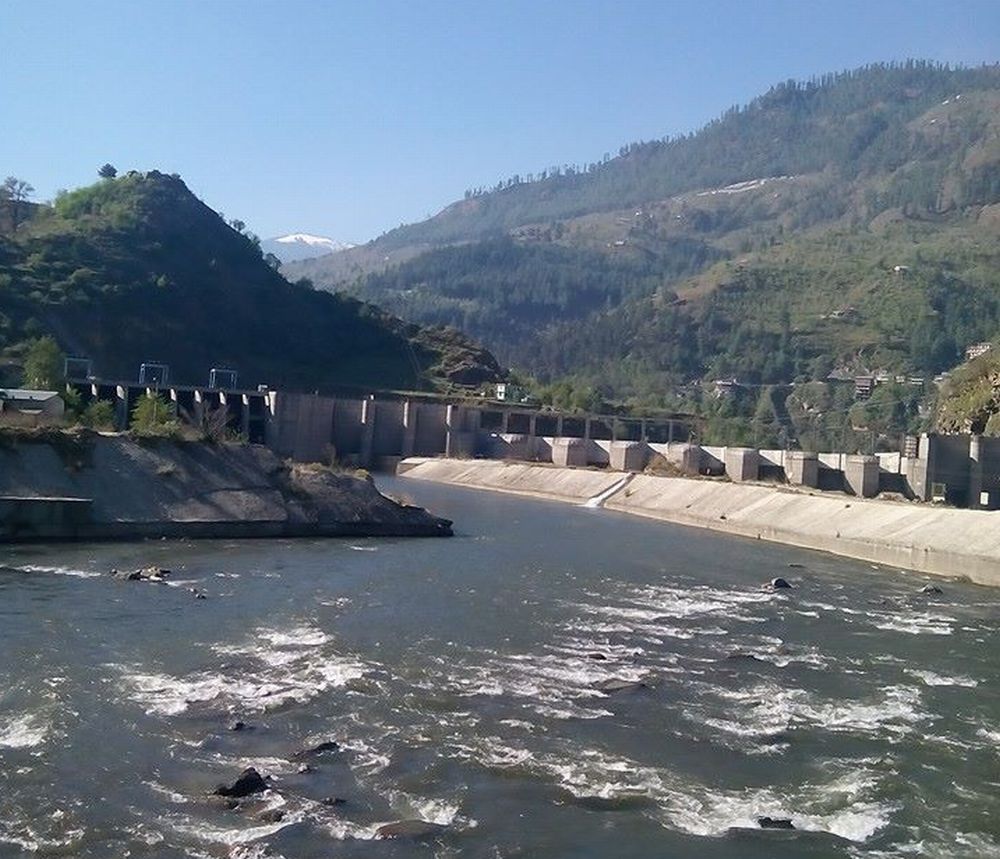
Shimla: Himachal Pradesh is facing a growing electricity shortage as inadequate monsoon rainfall has reduced generation from hydroelectric projects, putting increasing pressure on the Himachal Pradesh State Electricity Board (HPSEB). The widening gap between power generation and consumption has already led to unscheduled power cuts in several areas.
In the state capital Shimla, 15-minute power cuts have been imposed during peak hours for the past two days, as the Board struggles to manage available electricity amid rising demand.
Daily Power Deficit Reaches 80–100 Lakh Units
At present, Himachal Pradesh is generating around 280 to 300 lakh units of electricity per day, while daily consumption has crossed 380 lakh units. This has created a deficit of approximately 80 to 100 lakh units every day.
The Board is attempting to bridge the shortfall by purchasing electricity from outside the state. However, officials are facing difficulties in securing adequate supplies from both the Northern Grid and the open electricity market.
The situation has become particularly challenging because Himachal’s power system is heavily dependent on hydroelectric generation. The monsoon season, which normally improves water availability and boosts hydroelectric output, has failed to provide the expected relief this year.
11% Below-Normal Rainfall Hits Hydropower Generation
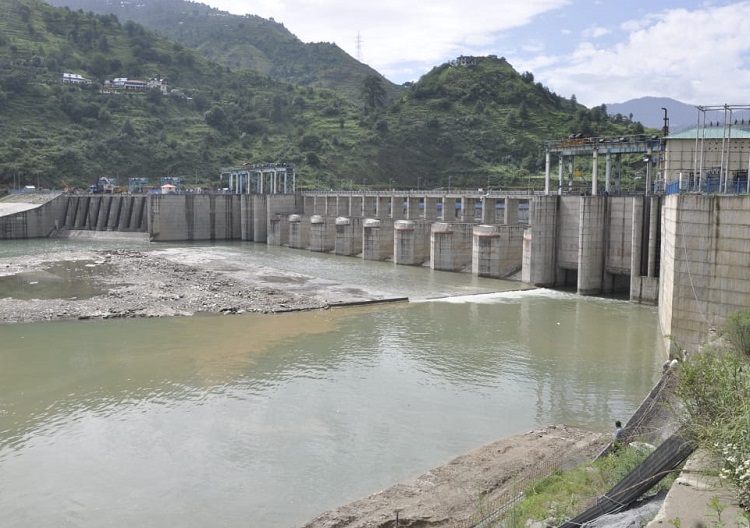
Monsoon rainfall in Himachal Pradesh was around 11 percent below normal, directly affecting water flows in rivers and reservoirs. Reduced inflows have consequently affected hydroelectric projects across the state.
Generation at several projects has reportedly fallen by up to 20 percent because of inadequate water availability. Both large and small hydropower projects have been affected, creating an unusual situation in which electricity generation has remained subdued even during the period when hydro output would normally improve following the monsoon.
The shortage has put additional pressure on HPSEB to arrange electricity from outside sources.
Power Purchase Efforts Face Market Constraints
The Board has been authorized to purchase electricity at higher rates to meet the shortfall. However, the problem is not simply one of affordability. Adequate electricity is reportedly not available in the market, with demand rising across several regions.
The Northern Grid is also under pressure, while increased demand has tightened availability in the open market. As a result, Himachal Pradesh is finding it difficult to fully compensate for the loss in hydroelectric generation through power purchases.
National Power Deficit Adds to Himachal’s Problems
The electricity shortage is not limited to Himachal Pradesh. Power availability has come under pressure in several parts of the country.
According to power-sector data cited in the report, India’s power deficit reached around 560 million units in September, the highest monthly deficit in more than three years and the highest since August 2023.
The decline in hydroelectric generation due to inadequate rainfall has increased dependence on thermal power. At the same time, insufficient battery-storage capacity has limited the ability to store renewable electricity generated during daytime hours for use during periods of peak demand.
Coal-based power generation consequently increased by approximately 13.3 percent year-on-year in September.
Rising Demand Compounds Himachal’s Hydro Dependence
Peak electricity demand across the country has also increased amid industrial activity and weather-related requirements. This broader pressure on the power system is being felt in Himachal Pradesh, where dependence on hydropower makes the state particularly vulnerable to fluctuations in rainfall and river flows.
For consumers, the immediate concern is the possibility of further power restrictions if the generation-consumption gap persists.
With daily demand already exceeding generation by up to 100 lakh units, and external power supplies remaining constrained, the coming days will be crucial for the state’s electricity system. A recovery in water availability could ease the pressure, but until hydroelectric generation improves or sufficient power becomes available from outside sources, short-duration power cuts may remain a challenge in Himachal Pradesh, including Shimla.