The politically sensitive issue of pensions, which played a major role in the 2022 Assembly elections in Himachal Pradesh, is once again returning to the spotlight ahead of the 2027 polls. Union Minister Jagat Prakash Nadda on Saturday reiterated the BJP’s support for the Unified Pension Scheme (UPS), reviving a debate that had significantly influenced the last Assembly election.
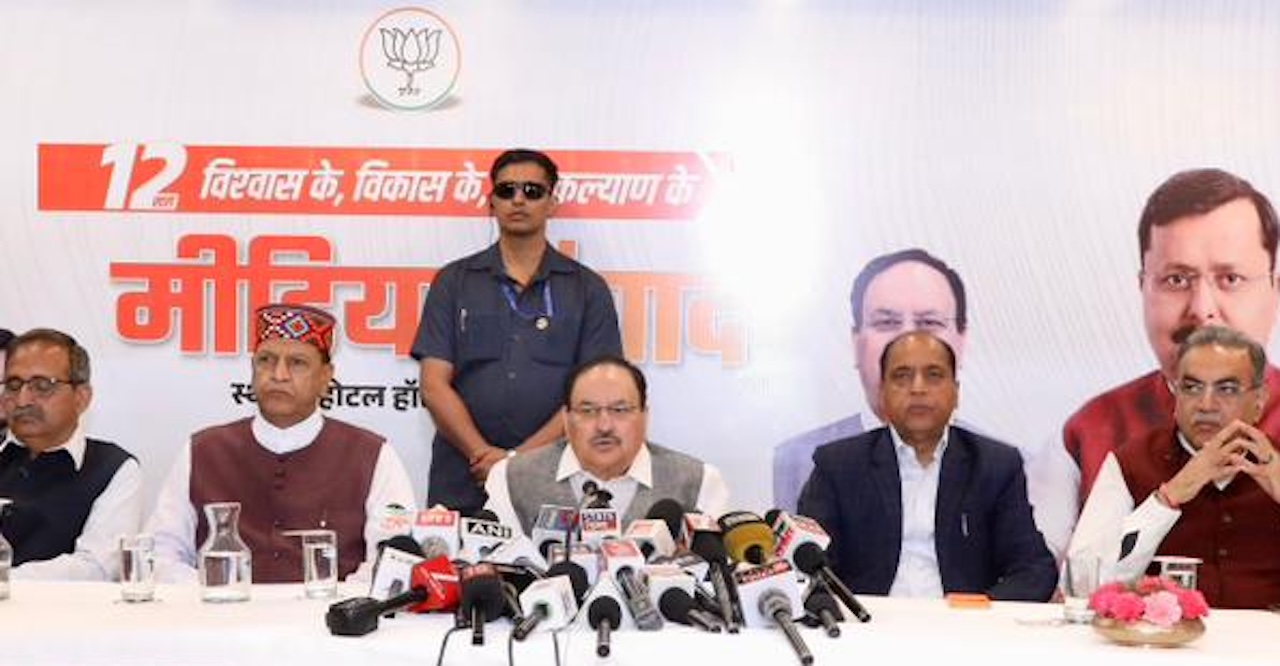
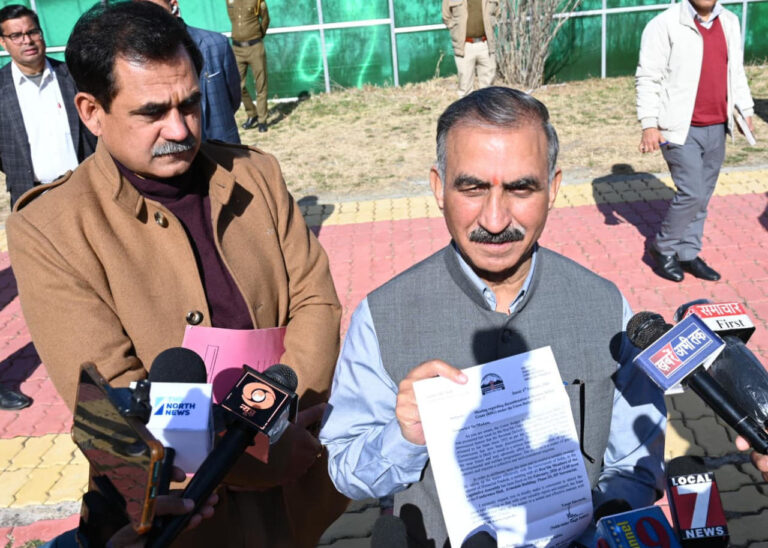
Addressing a press conference in Shimla, Nadda said the Centre had already implemented the Unified Pension Scheme and that the BJP’s stand on the issue had remained consistent since the previous Assembly elections. He said matters relating to Himachal Pradesh would be addressed by Leader of Opposition Jai Ram Thakur and BJP state president Rajeev Bindal.
The pension issue had emerged as one of the most prominent electoral planks in 2022, when employees covered under the National Pension System (NPS) intensified their agitation for the restoration of the Old Pension Scheme (OPS). Thousands of government employees under the banner of the New Pension Scheme Employees Federation held rallies and protests across the state, making pension security a major political issue.
Sensing the mood among employees, the Congress promised restoration of OPS if voted to power. The pledge resonated strongly with government employees and their families and is widely considered to have contributed to the party’s victory in the Assembly elections. Soon after taking office, the Sukhvinder Singh Sukhu government restored OPS for eligible state employees, fulfilling one of its key poll promises.
The Old Pension Scheme guarantees a fixed pension, generally amounting to 50 per cent of the last drawn basic salary, with the entire liability borne by the government. In contrast, the National Pension System introduced for employees joining service after April 1, 2004, is based on contributions by both employees and the government, with pension benefits linked to market returns.
In August 2024, the Centre approved the Unified Pension Scheme for central government employees under the NPS framework, and it came into effect from April 1, 2025. Under UPS, employees completing 25 years of qualifying service are assured a pension equivalent to 50 per cent of the average basic pay drawn during the last 12 months before retirement. The scheme also provides a minimum assured pension of ₹10,000 per month after ten years of service and includes family pension and inflation indexation benefits.
However, unlike OPS, the Unified Pension Scheme does not completely replace the contributory structure of NPS. Employee organisations in several states have continued to advocate restoration of OPS, arguing that it offers greater financial security.
With the 2027 Assembly elections drawing closer, political observers believe pension policy could once again emerge as a key issue in Himachal Pradesh. While the ruling Congress is expected to defend its decision to restore OPS despite the state’s strained finances, the BJP appears set to project UPS as a financially sustainable alternative that offers assured benefits.
Given the influence of government employees and pensioners in the state’s electoral landscape, the OPS-versus-UPS debate is likely to remain an important political issue in the run-up to the next Assembly elections.