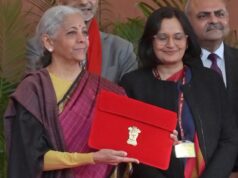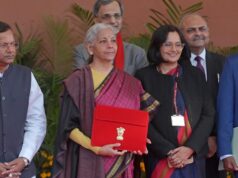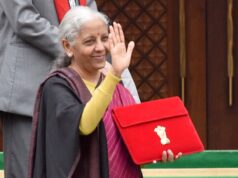


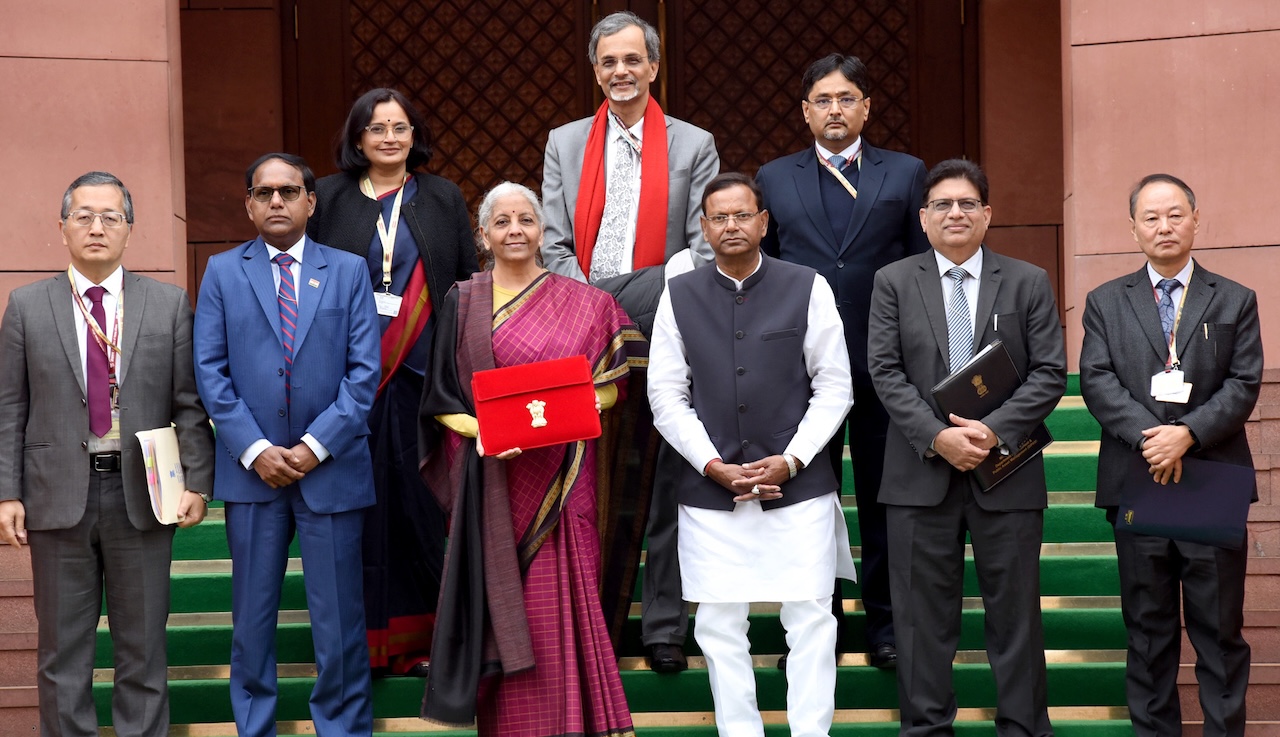
New Delhi: The Union Budget 2026–27 presented by Finance Minister Nirmala Sitharaman brings wide-ranging changes aimed at simplifying taxation, strengthening MSMEs and expanding opportunities for the youth. Prepared for the first time in Kartavya Bhawan, the Budget is guided by three core objectives of accelerating economic growth, fulfilling people’s aspirations and ensuring inclusive development in line with the vision of Sabka Sath, Sabka Vikas.
A key announcement in the Budget is the implementation of the New Income Tax Act, 2025 from April 2026, which seeks to simplify tax laws and improve ease of compliance. Simplified income tax rules and redesigned forms will be notified shortly. To reduce litigation, the government has proposed integrating assessment and penalty proceedings into a single order and lowering pre-payment requirements in disputed cases. Small taxpayers have been given more flexibility, with the deadline to revise returns extended up to March 31. A one-time foreign asset disclosure window has also been announced for students, young professionals and relocated non-residents to declare small-value overseas assets without facing severe penalties.
The Budget also brings relief through reduced Tax Collection at Source rates. TCS on overseas tour packages has been lowered to 2 percent, while similar relief has been extended for education and medical expenses under the Liberalised Remittance Scheme. These measures are expected to ease the financial burden on individuals and families.
Recognising MSMEs as a major driver of growth and employment, the Budget proposes a ₹10,000 crore SME Growth Fund to support enterprises with the potential to scale up as future champions. The textile sector has been given focused attention through an integrated programme aimed at strengthening fibre production, modernising traditional clusters, supporting handloom and handicraft workers and upgrading skills under Samarth 2.0. Tax benefits for cooperatives have also been expanded, including deductions for societies supplying cattle feed and cotton seed, along with wider dividend income exemptions.
For India’s youth, the Budget outlines several initiatives in education, skills and sports. To address challenges faced by women students in STEM institutions, one girls’ hostel will be established in every district. The fast-growing animation, visual effects, gaming and comics sector will be strengthened through the setting up of AVGC content creator labs in 15,000 secondary schools and 500 colleges by the Indian Institute of Creative Technologies, Mumbai. The government has also launched the Khelo India Mission to transform the sports sector over the next decade, focusing on talent development, coaching, sports science and infrastructure. In tourism, a pilot programme has been announced to upskill 10,000 guides through a standardised 12-week training course in collaboration with an Indian Institute of Management.
The Budget also focuses on improving the overall business and investment environment. IT and related services have been grouped under a single category with a common safe harbour margin of 15.5 percent, and the turnover threshold for availing this benefit has been raised significantly to ₹2,000 crore. To attract global investment, foreign cloud service providers using data centres in India will be offered a tax holiday till 2047, while non-residents paying tax on a presumptive basis will be exempted from Minimum Alternate Tax.
Union Budget 2026–27 aims to deliver simpler taxation, stronger support for MSMEs and expanded opportunities for youth, while maintaining fiscal discipline and encouraging long-term investment. The measures outlined in the Budget are expected to ease compliance for ordinary taxpayers, improve access to growth capital for small businesses and create new avenues for skills, employment and entrepreneurship for the younger generation.