Shimla: The proposed construction of three tunnels beneath Baralacha La, Lachulung La and Tanglang La is set to transform the Manali-Leh National Highway into one of India’s most modern all-weather mountain roads, significantly reducing travel time and strengthening strategic connectivity to Ladakh.
The Centre has initiated work on detailed project reports (DPRs) for the ambitious tunnel projects, which are being prepared by the National Highways and Infrastructure Development Corporation Limited (NHIDCL). Union Minister for Road Transport and Highways Nitin Gadkari recently informed that DPR preparation for all three tunnels is underway.
Under the proposal, a 13.2-km tunnel will be built beneath Baralacha La, while the tunnel under Lachulung La is planned to be around 14.7 km long. A third tunnel, measuring approximately 7.3 km, is proposed below Tanglang La. Once completed, the tunnels will enable vehicles to bypass three high-altitude passes that frequently experience heavy snowfall and adverse weather, ensuring safer and uninterrupted movement throughout the year.
The projects are expected to reduce the distance between Manali and Leh by around 50 km and cut travel time from nearly 10 hours to about six hours. The improvement will provide travelers with faster and more reliable connectivity while minimizing disruptions caused by snow and landslides.
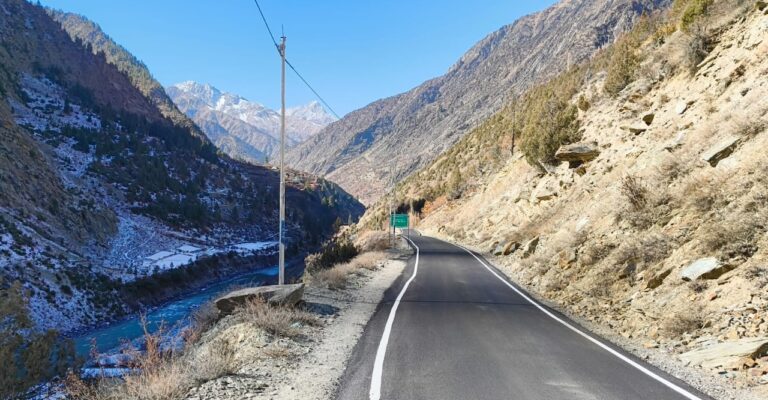
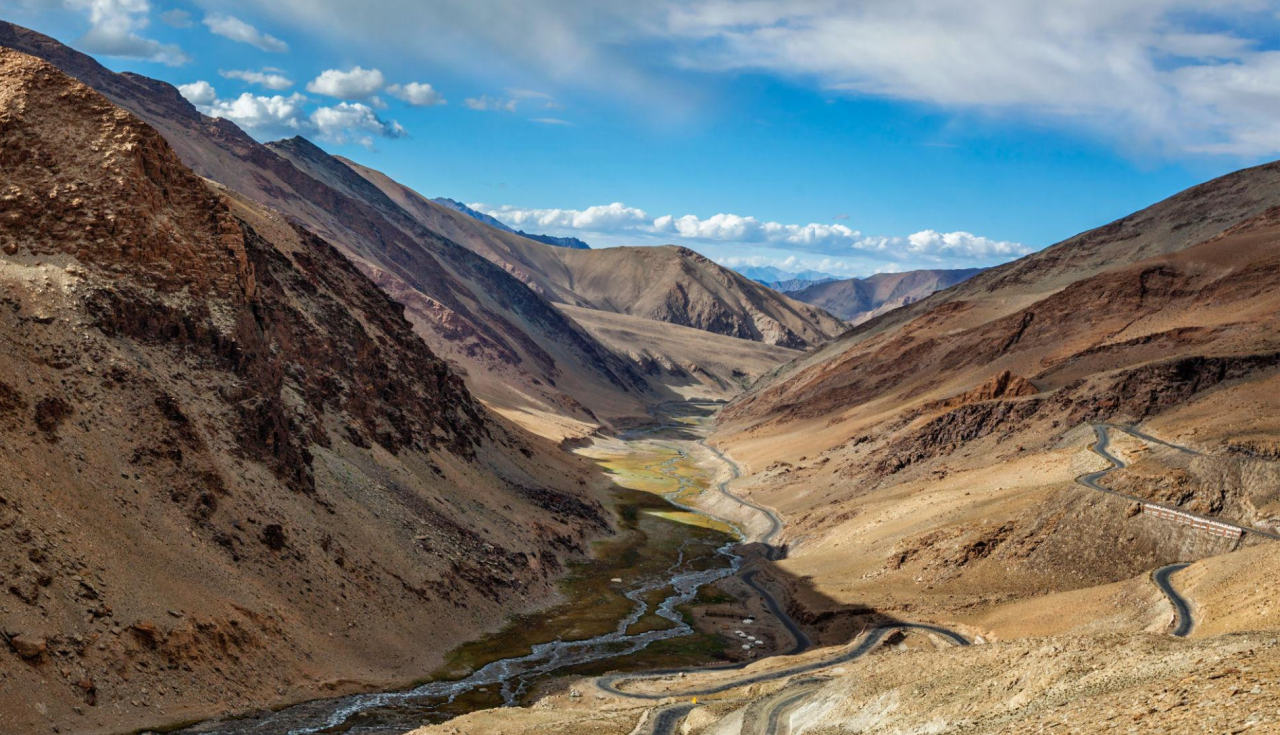
The Manali-Leh highway, which passes through some of the world’s highest motorable terrain, remains vulnerable to seasonal closures. Baralacha La, situated at an altitude of around 16,040 feet, Lachulung La at nearly 16,600 feet and Tanglang La at over 17,400 feet witness harsh weather conditions for several months every year. Vehicles often face long delays due to snow accumulation and road maintenance works.
Year-round connectivity is expected to bring substantial economic benefits to Himachal Pradesh and Ladakh. Tourism-related businesses, including hotels, homestays, restaurants and taxi operators in Manali, Lahaul-Spiti and Leh, are likely to gain from increased tourist movement. Better road infrastructure will also make transportation easier for residents and improve access to remote areas.
Beyond its economic importance, the Manali-Leh highway holds immense strategic significance. It serves as one of the country’s key supply routes for transporting troops, equipment and essential materials to Ladakh and areas near the Line of Actual Control with China. The tunnels are expected to make military logistics faster and less dependent on weather conditions, providing all-weather access to sensitive border regions.
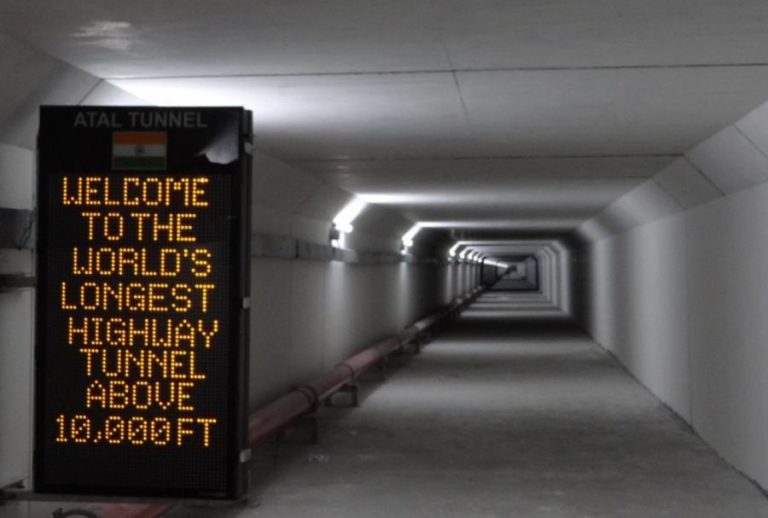
The proposed projects form part of the Centre’s broader push to strengthen infrastructure in the Himalayan region. Following the success of the 9.02-km Atal Tunnel beneath Rohtang Pass and with the Shinku La and Zojila tunnel projects under construction, the three new tunnels are expected to further improve connectivity to Ladakh from multiple directions.
Once the Baralacha La, Lachulung La and Tanglang La tunnels become a reality, the Manali-Leh National Highway is expected to rank among the country’s highest and most advanced all-weather road corridors, changing travel to Ladakh forever.