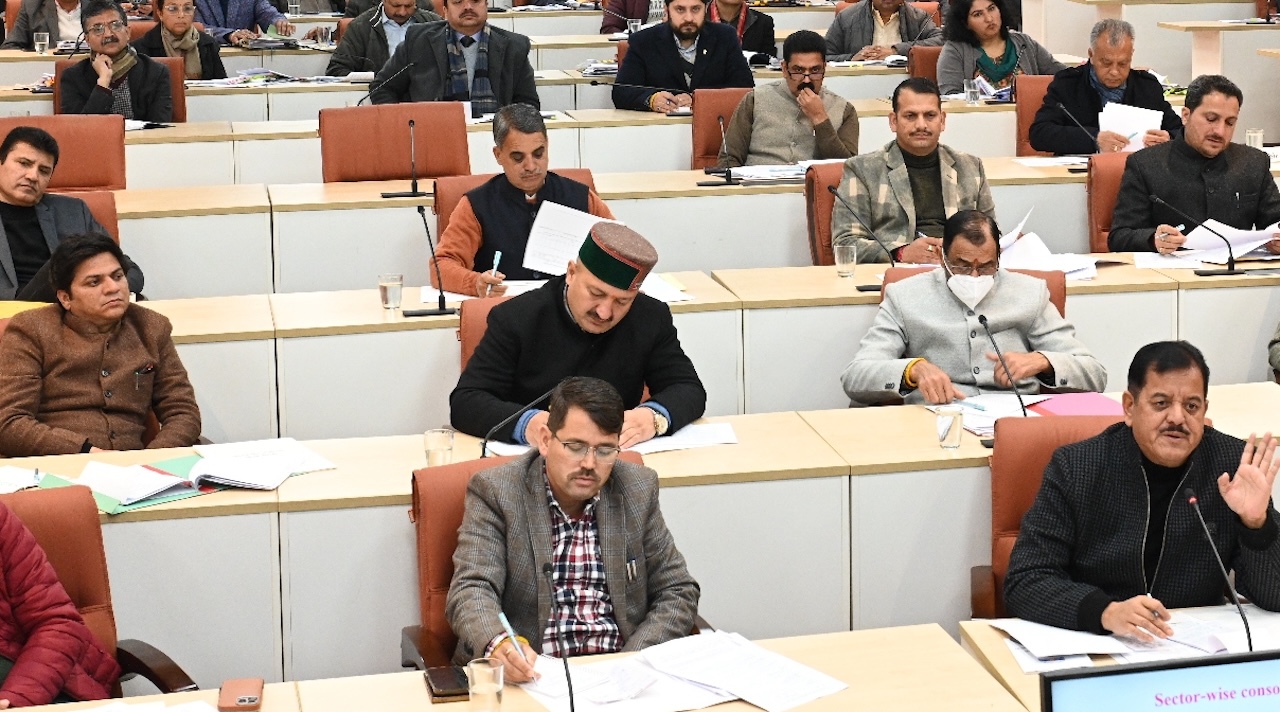
Shimla: The pathetic condition of the Sainj–Deha–Chopal road has once again come under focus, with Chopal MLA Balbir Verma raising the issue during the MLA Priority Meeting, warning that the badly damaged stretch is inviting accidents and putting daily commuters at risk.
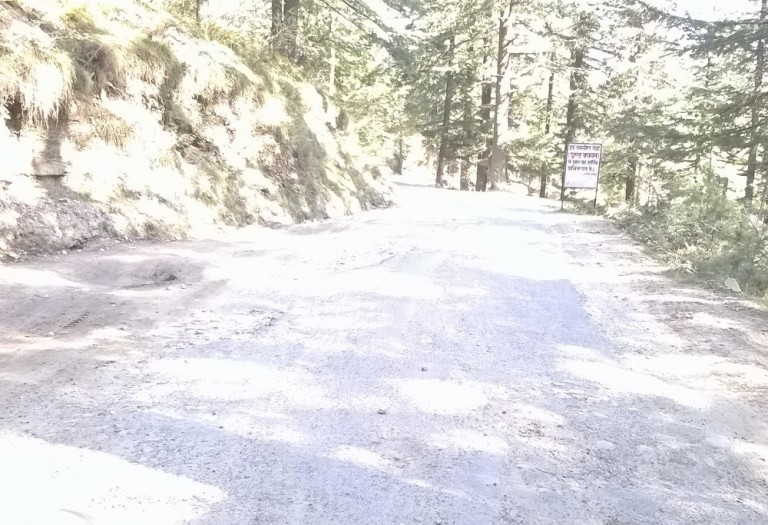
The road, which serves as a key lifeline for residents of the Chopal area, is riddled with deep potholes and broken surfaces. From Sainj to Deha, the condition of the road is deplorable, making it extremely difficult for commuters to drive vehicles. Locals say even short journeys have become risky, especially during night hours and bad weather.
The situation worsened near Chandani Nullah, where a portion of the road caved in during recent monsoon rains. Instead of permanent restoration, the department made the road barely motorable by erecting a makeshift wall. Residents fear that the temporary arrangement could collapse again during rainfall, leading to serious accidents or complete road closure.
The metalling work along the entire stretch has failed, leaving loose material and damaged patches across the road. Commuters complain that two-wheelers skid frequently and heavy vehicles struggle to pass, increasing the chances of mishaps. Despite repeated complaints, no long-term repair work has been taken up so far.
Raising the issue in the meeting, MLA Balbir Verma demanded immediate improvement of the Sanj–Deha–Chopal road and called for durable repair work instead of temporary fixes. He said the condition of the road reflects administrative neglect and warned that any major accident would directly be the responsibility of the authorities concerned.
The MLA also demanded that vacant posts in government offices in the Chopal area be filled without delay, stating that staff shortages are affecting public services. He further sought a reliable electricity supply during snowfall and requested that power be provided from the Shillai supply line to avoid frequent outages in winter.
The issue of the Sainj–Deha–Chopal road adds to growing concerns over poor road infrastructure in remote areas, where temporary repairs are repeatedly carried out but permanent solutions remain missing, leaving residents to travel on unsafe roads every day.