Shimla: The Himachal Road Transport Corporation (HRTC) is rapidly expanding its electric vehicle (EV) charging infrastructure to support the growing fleet of electric buses across the State. Charging stations are being established at 80 locations at a cost of ₹122 crore, Deputy Chief Minister Mukesh Agnihotri said on Sunday.
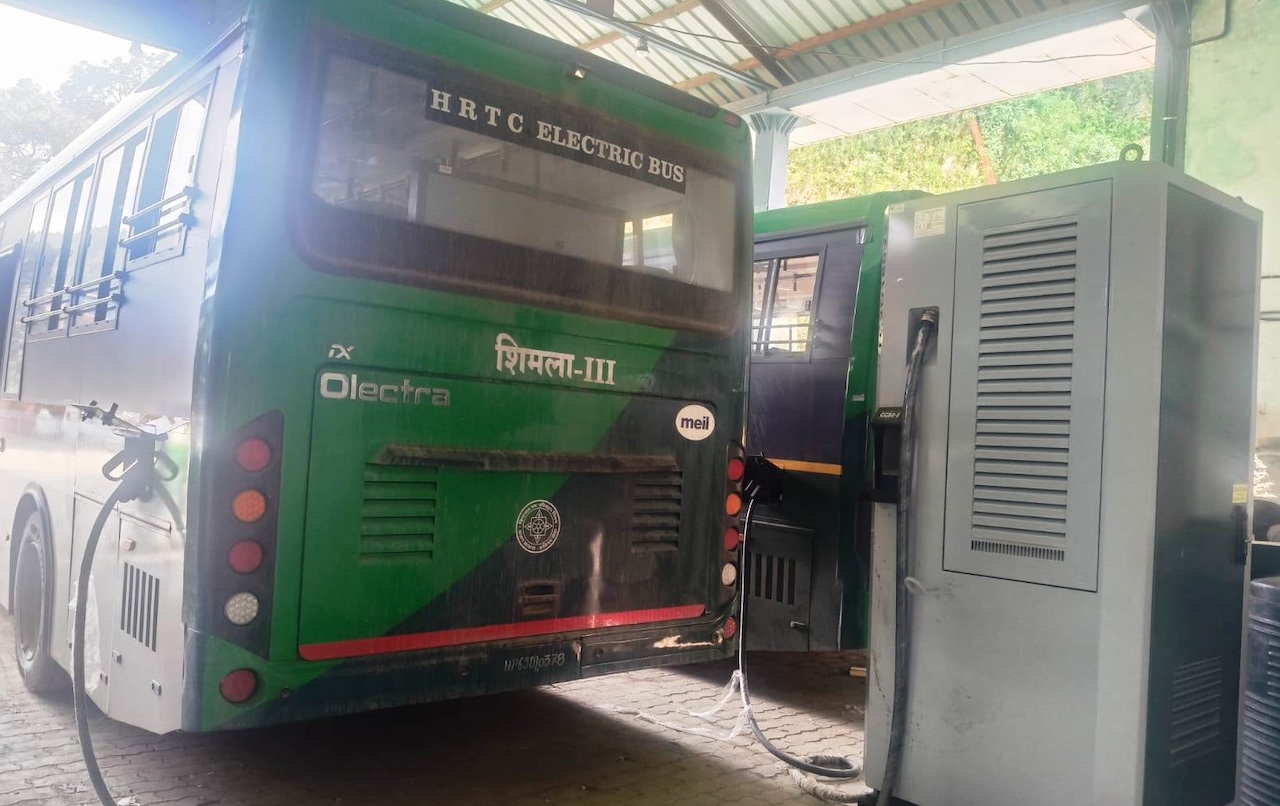
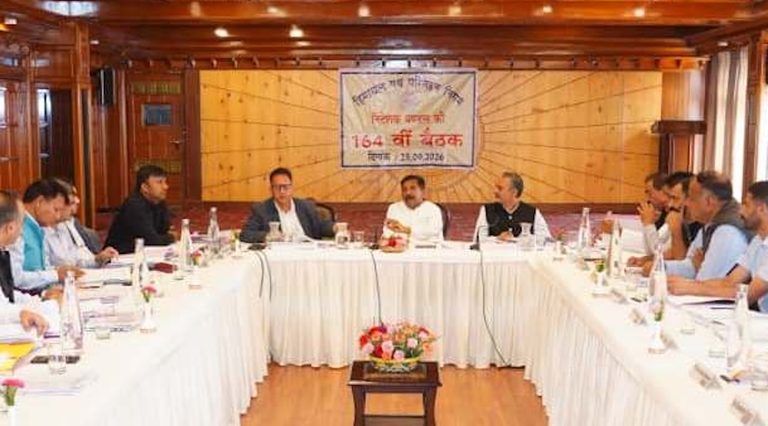
Presiding over a review meeting with senior HRTC officials, Agnihotri said charging stations have already been installed at 34 locations, while work at another 21 locations is expected to be completed within the next month. The process of establishing charging facilities at the remaining 25 locations is also underway.
The charging stations are being set up at HRTC bus stands and workshops to ensure that electric buses operating on different routes have adequate access to charging facilities. The initiative is aimed at improving the reliability and efficiency of electric bus operations across the State.
99 Charging Points to Be Established
According to the Deputy Chief Minister, a total of 99 charging points are being established at the 80 identified locations. These facilities will be equipped with 180-kilowatt fast CCS-2 chargers, enabling quicker charging of electric buses.
Agnihotri said the charging network is not being restricted to major cities and is being developed at HRTC bus stands and workshops in different parts of Himachal Pradesh. Additional charging stations will also be established at other locations in the future based on operational requirements.
He said the expansion of charging infrastructure, along with the induction of electric buses, represents an important step towards building a modern, economical and environment-friendly public transport system in Himachal Pradesh.
297 Electric Buses Already in HRTC Fleet
HRTC currently has 297 electric buses in its fleet, which are being operated successfully on both short- and long-distance routes.
The introduction of electric buses is also helping the Corporation reduce its operating expenditure. Agnihotri said HRTC is saving approximately ₹15 to ₹16 per kilometre in diesel expenditure through the operation of electric buses.
The government is developing the infrastructure required for electric bus operations in a phased manner, with the objective of providing passengers with more modern and efficient public transport services.
Electric Buses Covering Long-Distance Routes
Agnihotri highlighted the performance of electric buses on longer routes, noting that an electric bus can generally travel around 180 kilometres on a single charge.
However, electric buses have demonstrated the ability to cover significantly longer distances under suitable operating conditions. An electric bus is currently successfully operating on the approximately 270-kilometre Haroli–Chandigarh route after a single charge.
Similarly, on the approximately 250-kilometre Shimla–Chandigarh–Shimla route, an electric bus is completing the journey with around 25 per cent battery charge still remaining.
The Deputy Chief Minister said the government would continue to strengthen the charging network and other supporting infrastructure as the number of electric buses in the HRTC fleet increases, ensuring that the transition towards cleaner public transport remains smooth and sustainable.