Shimla: The Himachal Pradesh government has approved 30 Sewage Treatment Plant (STP) co-treatment projects to strengthen rural sanitation infrastructure and ensure the scientific management of faecal sludge across the state. The initiative, being implemented under the Swachh Bharat Mission (Gramin), is expected to benefit nearly 7,000 villages.
According to a spokesperson of the Rural Development Department, the state has moved to the next phase of rural sanitation after achieving Open Defecation Free (ODF) status. In collaboration with the Jal Shakti Department, the government is developing faecal sludge co-treatment facilities at identified STPs to ensure the safe collection, transportation, treatment and disposal of sludge generated from septic tanks and single-pit sanitation systems.
The spokesperson said that most rural households in Himachal Pradesh depend on septic tanks or single pits for toilet waste disposal. Without regular desludging and scientific treatment, accumulated sludge is often discharged into open areas, drains, streams, rivers and forests, contaminating water sources and increasing the risk of water-borne diseases such as diarrhoea, cholera and typhoid.
To address this challenge, the government has adopted Faecal Sludge Management (FSM) as the next major component of rural sanitation. Considering Himachal Pradesh’s mountainous terrain, extensive forest cover, limited availability of suitable land and the high cost of setting up standalone Faecal Sludge Treatment Plants (FSTPs), the state has opted for the co-treatment model based on technical recommendations of the WASH Institute under the Liquid Waste Management programme.
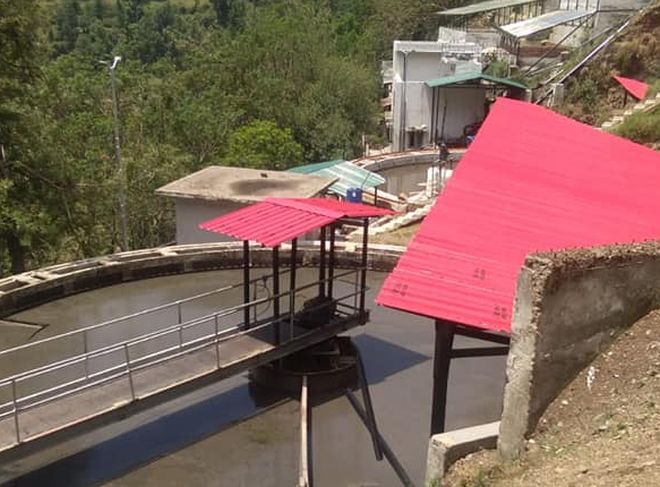
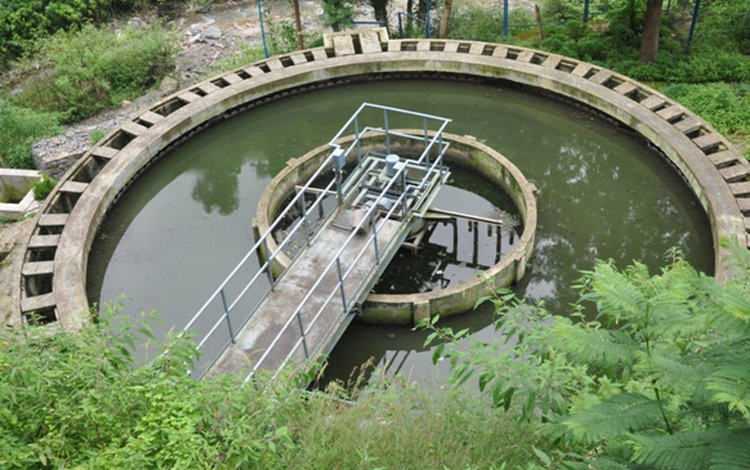
Under this model, existing STPs will be equipped with the required infrastructure to receive faecal sludge extracted from septic tanks. The sludge will then be treated scientifically along with municipal sewage, eliminating the need to construct separate treatment plants while making optimum use of existing infrastructure and reducing project costs.
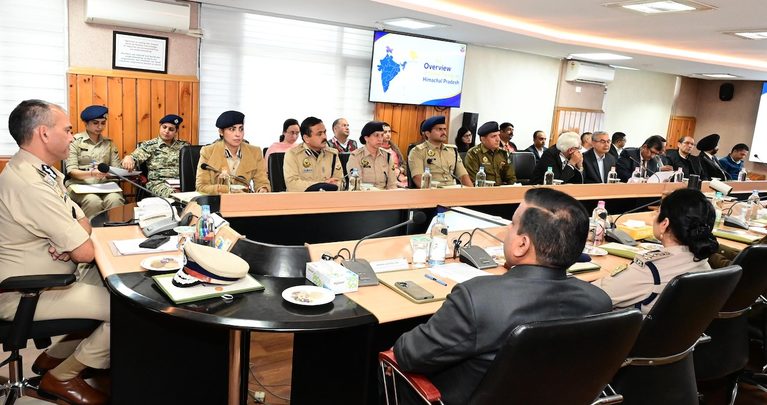
To oversee the programme, the government has constituted a State Level Approval Committee (SLAC) under the chairmanship of the Secretary, Rural Development Department. The committee evaluates treatment capacity, estimated sludge generation, project costs and other technical parameters before granting approvals. So far, 30 co-treatment projects have been cleared for implementation.
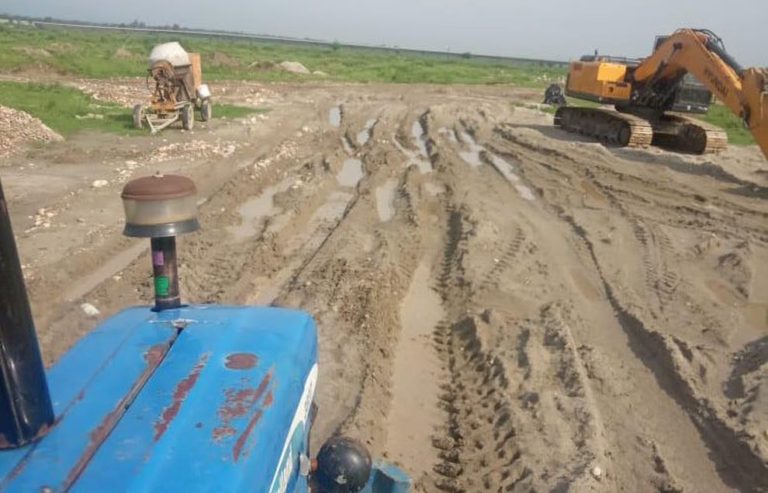
The Rural Development Department has released nearly ₹15 crore to the Jal Shakti Department for executing these projects. An MoU has also been signed between the two departments to ensure coordinated implementation. Construction work has already begun at the STPs in Palampur and Sundernagar, and nearby rural areas have started benefiting from the initiative.
The government has set a target of making all approved co-treatment facilities operational by March 31, 2027. Once completed, the initiative is expected to ensure safe and scientific management of faecal sludge across thousands of villages, protect rivers and other water sources from pollution, improve public health and further strengthen rural sanitation across Himachal Pradesh.
Officials said the initiative marks the next step in the state’s sanitation journey after achieving ODF status and aims to establish a sustainable faecal sludge management system for long-term environmental protection and improved public health.