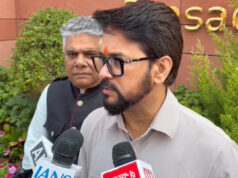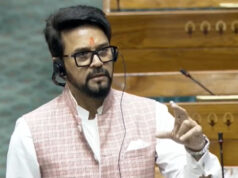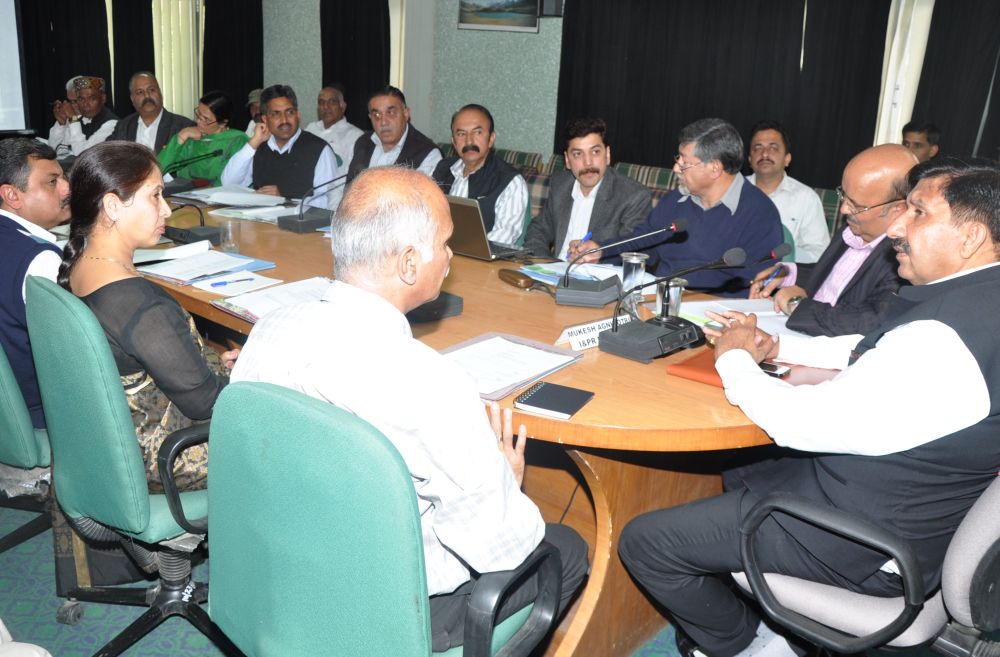


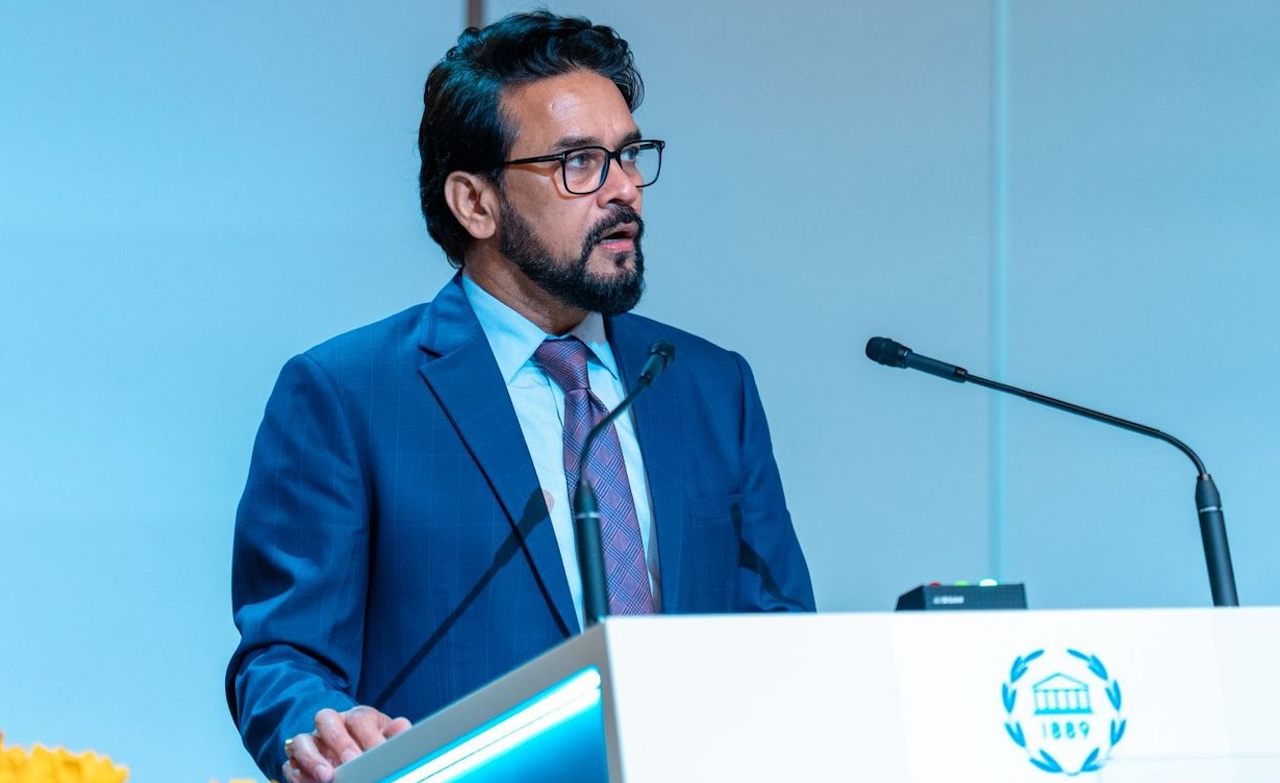
Geneva, Switzerland — Representing India at the 151st Inter-Parliamentary Union (IPU) Assembly in Geneva, Member of Parliament and former Union Minister Anurag Singh Thakur reaffirmed India’s unwavering commitment to humanitarian values and international solidarity. Addressing parliamentarians from over 170 countries on the theme “Upholding Humanitarian Standards in Times of Crisis,” Thakur underscored that India’s humanitarian engagement is rooted in the principles of humanity, neutrality, impartiality, and independence.
Thakur, who is also the Chairman of the Parliamentary Standing Committee on Coal, Mines and Steel, emphasised India’s civilizational ethos that promotes compassion and collective welfare. “India remains steadfast in its belief that humanitarian action must rise above partisan and geopolitical divisions to protect the dignity of every human being,” he said, urging global cooperation to safeguard vulnerable populations amid mounting global crises.
Warning of a growing decline in multilateral cooperation and dwindling humanitarian funding, Thakur called for comprehensive reforms in global institutions to make them more inclusive and representative—especially of the Global South. He appealed to governments, international agencies, and private stakeholders to strengthen the United Nations’ humanitarian assistance system and ensure timely and adequate relief efforts.
Recalling India’s enduring contribution to international peace and security, Thakur noted that over 200,000 Indian personnel have served in 49 UN peacekeeping missions. He also highlighted India’s leadership during the COVID-19 pandemic, when the country supplied more than 301 million vaccine doses to over 100 nations and UN entities through the Vaccine Maitri initiative.
Thakur cited India’s targeted humanitarian efforts, such as Operation Brahma in Myanmar (March 2025) and Operation Sadbhav in West Asia, as examples of India’s readiness to extend assistance in times of urgent need.
On the domestic front, he outlined India’s strong legal and institutional framework for disaster management, referring to the Disaster Management Act of 2005 and the capabilities of the National Disaster Response Force (NDRF), which has saved over 159,000 lives and evacuated more than 864,000 people since its inception. He also mentioned financial mechanisms such as the National and State Disaster Risk Management Funds, along with CSR partnerships and civil society collaborations, as pillars of India’s resilience framework.
“India stands for a world guided by empathy, equality, and collective responsibility,” Thakur stated, reaffirming the country’s role as a responsible global partner in humanitarian action.