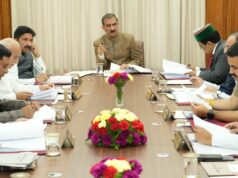


Shimla: In a move aimed at strengthening disaster preparedness, the Himachal Pradesh Cabinet has approved a comprehensive plan for structural safety audits of buildings across the state. The decision, taken in the wake of last monsoon season’s widespread destruction, also includes making earthquake-resistant construction mandatory to reduce future disaster risks.

The Cabinet gave its nod to the recommendations of the Cabinet Sub-Committee on Disaster Management and Rehabilitation, which was headed by Revenue Minister Jagat Singh Negi. The committee was tasked with reviewing the state’s disaster response and suggesting long-term measures to improve resilience and rehabilitation mechanisms.
The structural audits will assess the disaster tolerance of existing buildings and recommend retrofitting wherever necessary to minimize the risk of collapse or damage during calamities such as earthquakes, floods, or landslides. The committee emphasized that only hazard-resilient and earthquake-resistant structures should be permitted in Himachal Pradesh going forward.
To enhance the state’s ability to respond swiftly during emergencies, the sub-committee has also proposed integrating key emergency services—Home Guards, Civil Defence, Fire Services, and the State Disaster Response Force (SDRF)—with the Disaster Management Cell of the Himachal Pradesh State Disaster Management Authority (HPSDMA). This integration is expected to improve coordination and efficiency in handling crisis situations.
The state government has already revised construction setback norms. Buildings must now be constructed at least 5 meters away from drains and 7 meters from ravines and rivers. Previously, the required distance was only 3 meters from drains and 5 meters from water bodies. The stricter norms come after severe damage was reported last year to buildings constructed too close to rivers and seasonal streams.
The government’s move is seen as a necessary corrective step after successive heavy monsoons have exposed glaring weaknesses in building safety and urban planning. The emphasis on structural audits and mandatory earthquake-resistant designs is expected to make the hill state more resilient to natural disasters.