
Shimla: The monsoon session of the Himachal Pradesh Legislative Assembly will commence on August 21, 2026, with the House scheduled to meet for 10 sittings over two weeks. The session will continue until September 3, during which several important legislative and public interest issues are expected to be discussed.
The 12th session of the 14th Himachal Pradesh Legislative Assembly has been summoned by Governor Kavindra Gupta under Article 174(1) of the Constitution of India. Following the Governor’s approval, the Assembly Secretariat issued the official notification on Saturday.
State Assembly Speaker Kuldeep Singh Pathania said that members can now submit their questions and notices under various Assembly rules to the Secretariat through both offline and online modes.
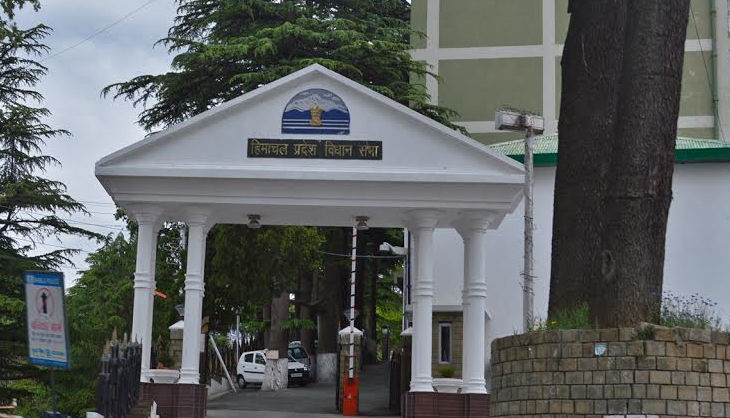
According to the schedule, the Assembly will convene at 11:00 a.m. on Friday, August 21, at the Himachal Pradesh Legislative Assembly building in Shimla. A special sitting will also be held on Saturday, August 22. However, there will be no sittings on August 28, 29, and 30. August 28 has been kept free on account of Raksha Bandhan, August 29 falls on a Saturday, while August 30 is a Sunday. In addition, August 27 has been earmarked for Private Members’ Business.
The notification, published for general information on August 1, was issued in accordance with the Governor’s order dated July 30, 2026. The order from the Assembly Secretariat has been signed by Assembly Secretary Yash Pal Sharma and circulated to all Members of the Legislative Assembly, Members of Parliament from Himachal Pradesh, the Chief Secretary, the Principal Secretary to the Chief Minister, the Deputy Chief Minister, the Leader of the Opposition, Heads of Departments, and other concerned officials.
The upcoming session is expected to witness discussion on several significant government bills, financial proposals, and matters of public importance. The opposition is also preparing to raise a range of issues, including disaster management, road infrastructure, electricity, drinking water supply, healthcare, education, and unemployment.