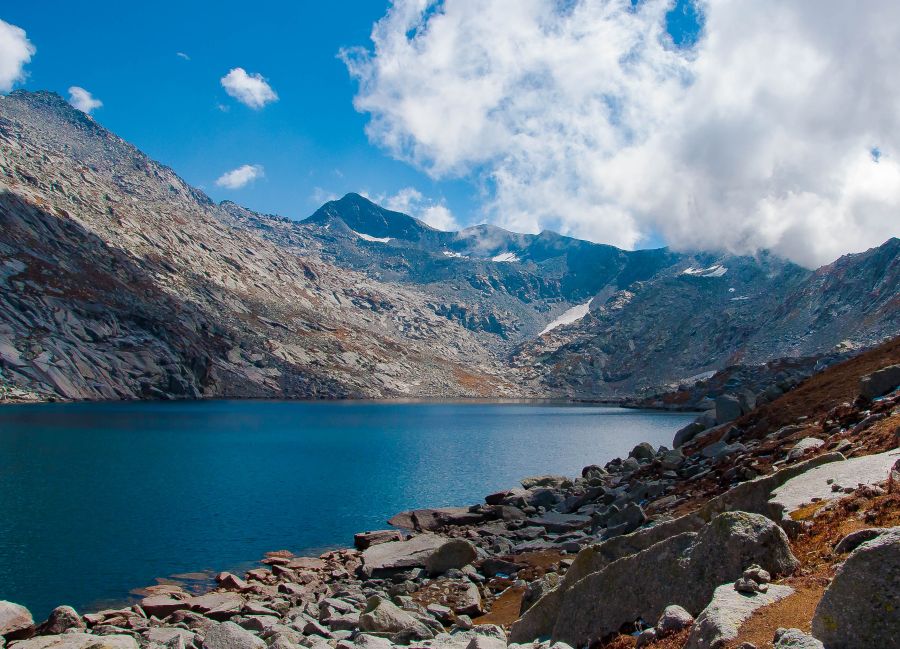
Shimla — With over 850 glacial lakes now formed in the high-altitude zones of Himachal Pradesh — more than 650 of which are classified as sensitive — the state government is moving towards real-time glacier monitoring to prevent potential disasters like floods and glacial lake outburst floods (GLOFs).
Under this initiative, the state will install sensors, flow meters, and cameras on and around glaciers to track melting rates, structural changes, and water discharge. These systems will collect continuous data on temperature, humidity, snow depth, and water flow. The move marks a significant shift from reliance on satellite imagery to on-the-ground, high-resolution observation.
In a bid to strengthen scientific assessment, the Himachal government has tied up with the Indian Institute of Tropical Meteorology (IITM), Pune. The institute will study how climate change is accelerating glacier melt and will also investigate the growing number of cloudbursts reported across the state in recent years.
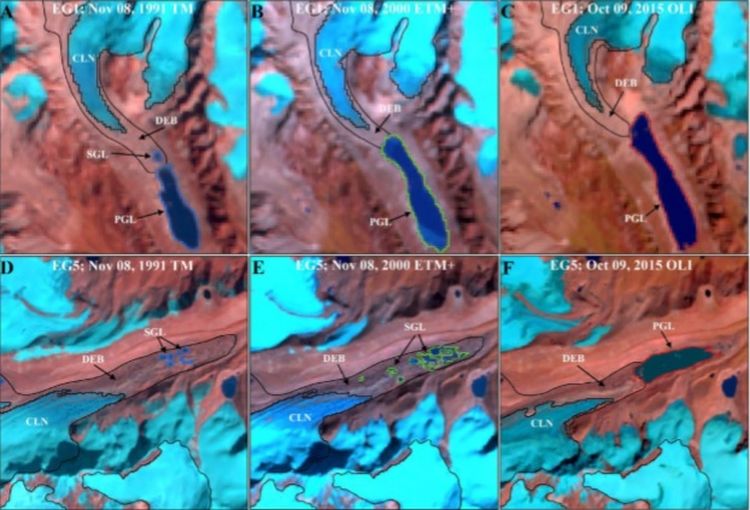
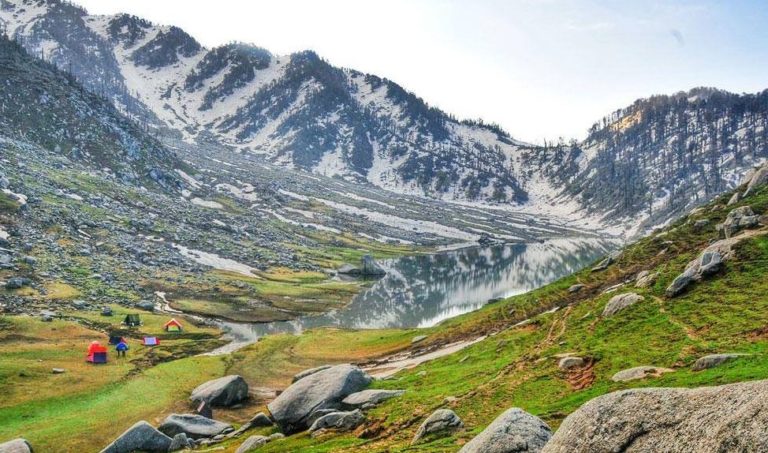
Officials from the Centre for Climate Change under the Council for Science, Technology and Environment revealed that warming temperatures have drastically altered glacier behaviour in the Himalayan region. In just a few years, more than 200 new natural lakes have formed across the Sutlej, Chenab, Beas, and Ravi river basins. The Sutlej basin alone now has around 500 glacial lakes, followed by 150 in the Chenab, 120 in the Beas, and 80 in the Ravi.
The size of these lakes continues to grow as glaciers retreat, increasing the risk of sudden flooding events downstream. With increased monitoring, the government plans to build an early warning system that can alert communities in advance, giving local administrations and residents time to prepare.
Until now, glacier tracking depended mainly on satellite surveillance. However, the deployment of on-site equipment will provide more timely and accurate data, enabling faster disaster response and better long-term planning.
The state’s proactive step comes amid global warnings about the vulnerability of Himalayan states to climate-induced hazards. Experts believe that without real-time monitoring and early warnings, many of these high-altitude lakes could pose severe risks to life, infrastructure, and fragile ecosystems.