Shimla: The Himachal Pradesh government is advancing digital governance to make administration more transparent, efficient and citizen-centric, with a series of technology-driven initiatives aimed at simplifying procedures, strengthening departmental coordination and improving access to public services.
The state government is integrating digital platforms into administrative functioning and welfare delivery, seeking to reduce paperwork, improve accountability and ensure faster resolution of public grievances. These reforms are particularly significant for Himachal Pradesh, where difficult terrain and scattered settlements can make access to government offices challenging for citizens.
A key component of the transformation is the digitisation of internal administrative processes. The Annual Performance Appraisal Report (APAR) Portal has streamlined the assessment of government officers and employees by enabling online appraisal, review and acceptance, supported by annual work plans and measurable performance goals.
The initiative aims to bring greater consistency to performance evaluation while making the appraisal process more systematic and accessible.
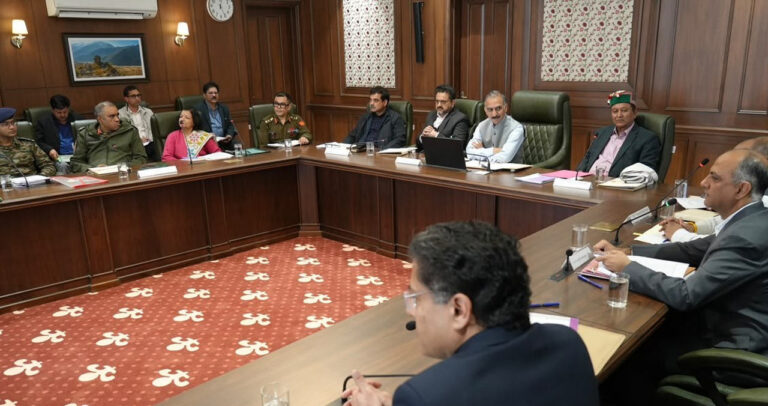
The government has also introduced a Meeting Management System to digitise meeting schedules, notices, proceedings and follow-up actions. Features such as automated reminders, task assignments and Action Taken Reports are designed to ensure that decisions taken during official meetings are implemented within stipulated timelines.
The system is expected to strengthen coordination between departments and improve accountability in the execution of administrative decisions.
AI-enabled document management to reduce paperwork
Moving towards paperless governance, the state government is using the Document Management System (DMS) for the digital storage, retrieval and management of official records.
The platform incorporates artificial intelligence-enabled features, including document summarisation and contextual and keyword-based searches. These tools are intended to help officials retrieve relevant information from lengthy documents more quickly, reducing the time required for routine administrative work.
By reducing dependence on physical files and improving access to records, the system is expected to support faster and better-informed decision-making.
Seva Sankalp Helpline strengthens grievance redressal
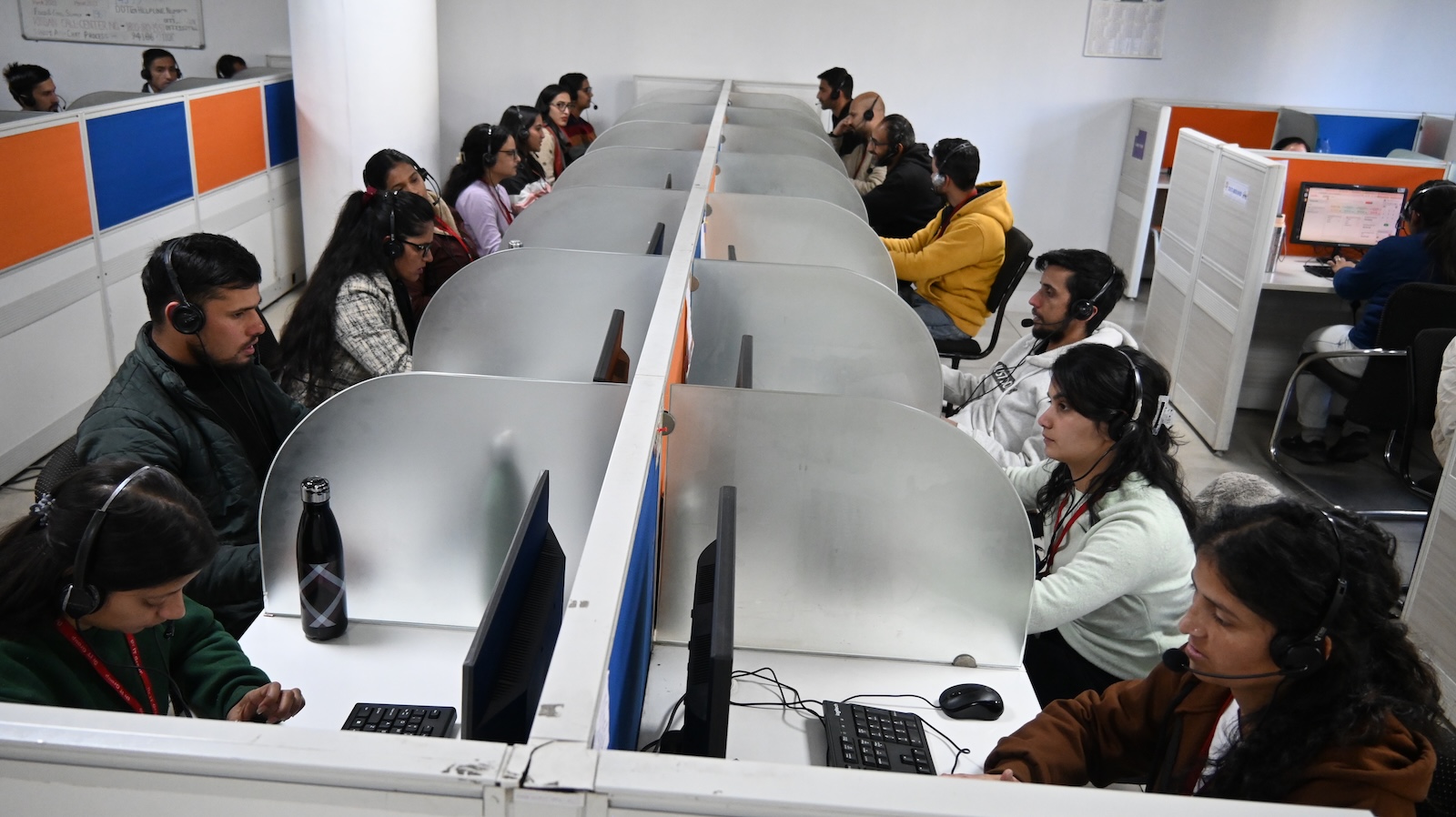
Citizen grievance redressal remains another important area of the state’s digital governance initiative. The Mukhyamantri Seva Sankalp Helpline (1100) provides a centralised platform for registering complaints, forwarding them to the concerned departments and monitoring their resolution.
According to the information provided by the state government, more than 10,000 officers across 93 departments have been mapped to the system. This arrangement is intended to establish clear responsibility for handling complaints and enable systematic follow-up until their resolution.
The addition of WhatsApp-based chatbot functionality is also aimed at making the grievance registration process more convenient and accessible to citizens.
The platform provides an avenue for people to raise concerns without having to visit multiple government offices, while enabling authorities to monitor complaints through a centralised mechanism.
HimSeva integrates government services on one platform
The HimSeva Portal brings various government services together on a unified digital platform, allowing citizens to submit applications online, track workflows, complete document verification, make payments and access service delivery facilities.
The government is developing HimSeva 2.0, with planned improvements in AI-based document verification aimed at simplifying procedures and making online services more efficient.
Complementing this initiative is HimAccess, the state’s Single Sign-On (SSO) and Digital Identity platform. It enables users to access multiple government applications through a common authentication mechanism, reducing the need to maintain separate login credentials for different services.
The integration of these platforms is intended to make digital interactions with government departments simpler and reduce procedural hurdles for citizens.
HimParivar aims to improve welfare delivery
Digital transformation is also being extended to welfare administration through HimParivar, Himachal Pradesh’s unified Family and Social Registry, launched on January 25, 2025.
The platform consolidates family and individual information from different government systems to support electronic Know Your Customer (eKYC), beneficiary verification, survey-based data collection and integration with departmental databases.
By improving the availability and coordination of beneficiary information, HimParivar is intended to help departments verify eligibility more systematically, minimise duplication in records and improve the targeting of welfare schemes.
The unified registry is expected to provide a common information base for departments involved in delivering social security and other public welfare benefits.
Focus on transparent and accessible administration
Through these initiatives, the state government is seeking to modernise both its internal administrative processes and its interaction with citizens. The reforms cover employee performance assessment, meeting management, official recordkeeping, grievance redressal, online service delivery and welfare beneficiary verification.
The effectiveness of these platforms will depend on their implementation, regular updating of records, coordination among departments and the timely resolution of citizen requests.
For a mountainous state such as Himachal Pradesh, where geographical constraints can affect access to public services, well-functioning digital systems could help reduce travel, simplify administrative procedures and make government services more accessible.
The broader objective is to establish a more responsive and accountable administrative system in which technology supports efficient decision-making and improves the delivery of services to people across the state.